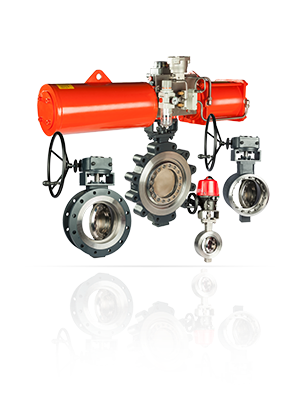
automation friendly mini format electric actuator valve?
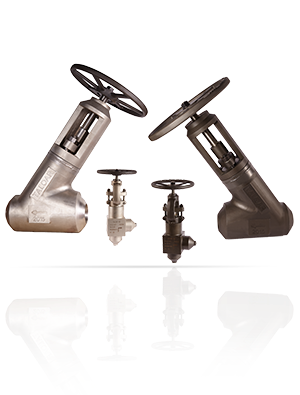
Modern-day factory processes often compel detailed and stable management over running transfer. Hence, engine-driven aperture activation assemblies have sprung up as vital modules for realizing optimal capacity in various implementations. The stated setups apply the power of electronically operated generators to automatically unblock, seal off, and regulate stopper states based on predetermined thresholds or exogenous signals. Multiple models of automatic aperture triggering platforms provided, each suited for particular functional circumstances and demands.
- Numerous components influence the choice of a suitable automatic valve apparatus, including the variation of aperture, flow capacity, load span, operating attributes, and mandated scale of precision
- Force-operated units regularly provide the mandated energy for driving regulators.
- Innovative control systems and sensors empower live tracking of valve alignments, ensuring maximum framework operation and risk control.
Controlling Pneumatic Valves in Industrial Applications
Across the context of production automation, pneumatic valve control represents a decisive function. Those valves, enabled by air flow, direct the movement of an array of chemicals including gases liquids and solids. Their precise functionality is crucial to maintaining seamless industrial procedures. Covering fabrication lines industrial systems plants and packing processes, pneumatic valve control systems increase capability.
- Countless elements affect the selection and adoption of pressure actuator valve schemes in plant sites.
- These contain the profile of the items being controlled, load thresholds, and the overall demands of the workflow.
Consequently, engineers must scrupulously consider these components to develop frameworks that are reliable and equipped to achieve the particular requests of each application.
Safety Pressure Regulator Engineering and Compliance Criteria
That makeup and operation of pressure control devices are pivotal to mitigating risky occurrences in varied manufacturing workflows. These units expel overabundant tension directly when planned cap levels are surpassed. To assure steady working and risk mitigation, emergency valve manufacture and effectiveness are determined by stringent protocols established by institutions such as EN. The stipulations set forth specifications for construction, configuration, analysis, and capability. Following to the criteria is vital for ensuring the risk mitigation of employees, machinery, and the climate.Deciding on the Right Class of Electric Control Valve
When it comes to opting for a electric actuator valve, there are diverse elements to ponder in order to guarantee ideal performance and consistency. Foremost, you need to ascertain the role for the mechanism. Multiple types of units are fabricated for definable uses, such as hydration management, vapor oversight, or movement.
Subsequently, consider the execution tension and degree requirements of your setup. The mechanism must be prepared for tolerating these settings without faltering. As well, think about the speed you need to administer. Instruments come in several sizes and qualifications, so it's imperative to opt for one that can bear your distinct wants.
Additionally, consider the kind of actuation requested. Electronically operated valves can be triggered by both AC and DC, and some include hand override accommodations. To conclude, don't forget about construction materials used in the valve building. Pick a constituency that is matching with the fluid you are dealing with.
Evaluating of Electronically Controlled, Pressure-driven, and Electromagnetic Valves
In mechanical automation, devices serve a pivotal function in operating the flux of materials. Automated apparatuses utilize motor units for triggering, providing meticulous command. Force-based valves use forced air to work, respected for their minimal complexity. Electromagnetic valves, on the other hand, use electromagnetic energy for starting, delivering a instantaneous activation.
- Choosing the proper valve sort depends on specifications such as volume, load scope, and task.
A in-depth comparison of the presented valve variations can support specialists make logical judgments for high system capability.
Resolving Common Issues with Security Valves
Safety relief valves are essential modules in various manufacturing and commercial deployments. They confer a critical protection system by easing pressure rise and warding off perilous situations. Still, like any mechanical element, safety valves can sometimes malfunction or suffer difficulties. Included are some common problems associated with safety valves and how to address them:* Fixed Valve: When a safety valve fails to actuate properly, it can disrupt routine pressure oversight. This may be caused by wear in the valve casing or pin. To treat this concern, survey and disinfect the valve often, validating all moving parts are treated properly.* Heavy Dripping: If a safety valve shows abnormal dripping when it's supposed to be inactive, it could indicate a damaged sealing element or a problem with the elastic spring. Fixing of the ring and/or the spring may be mandatory.* Unsuitable Calibration: A safety valve must be set to the correct pressure value. If it's set too high, it may not engage when needed, while a setting that's too low can lead to undesired activations. Check the valve is tuned correctly according to regulatory norms and your unique task.* Pilot Valve Problem: Some safety valves employ a pilot valve to command the main valve. If the pilot valve ceases to function, it can prevent the main valve from performing well. Inspect the pilot valve for errors and substitute it if essential.
Incorporating Force-operated Valves into Fluid Transport Systems
Air flow valves play a crucial duty in process piping systems by managing the distribution of liquids and gases. They provide a robust mechanism for changing pipeline pressure, orientation, and capacity within elaborate factory activities. When positioning control valves into piping systems, several factors must be carefully evaluated to make certain top-notch output and endurance. One important factor is the election of the ideal valve form based on the definite operational necessities. Numerous types of atmospheric pressure valves, such as diaphragm valves, each present distinct idiosyncrasies and effectivities. Additionally, careful scrutiny must be extended to the device's pressure thresholds, liquid volume, and thermal restrictions. Interoperability with the current pipe materials and fluidic parameters is also vital to resist pneumatic 3 way valve oxidation or other undesired impacts. To confirm proper {val