efficiency maximizing ERP linked oil management?
Starting
This hydrocarbon treatment of transformers proves to be fundamental in relation to respective efficiency. With time progression, electrical transformer hydrocarbon stores debris namely corrosion elements, sediments, and hydration. Such undesirables can lessen the oil's electrical resistance and temperature-based parameters, ultimately affecting device consistency and time span. To counteract this issue, cutting-edge processing methods are more frequently being applied.
Those systems often comprise a mixture of chemical methods, comprising extraction, attachment, and electron transfer. Dedicated screening units can powerfully dislodge bulky matter from the oil, while adsorbing materials are engaged to attach dissolved impurities.
- Notably, oxidation phases can be employed to break down complex impurities, thereby restoring the oil's attributes.
This progress in voltage oil purification systems bring about to improved unit output, soundness, and lifespan, therefore minimizing downtime and incidental costs.
Upgrading Dielectric Liquids with Precision Filtration Systems
Within the challenging realm of industrial operations, keeping prime dielectric performance is important for increasing device longevity and total functionality. Exact filtering setups have major importance in this task by efficiently filtering undesirables that can damage oil integrity over time. This sophisticated cleansing technology utilize a amalgamation of technical filtration media and precise engineering to seize a extensive variety of impurities from the oil stream. The effectiveness is fresher more reliable oil that can competently lubricate machine elements, reducing contact , abrasion, and breakdown. By executing precision filtration systems, sectors can distinctly raise the operational time of hardware, reduce maintenance costs, and obtain improved operational efficiency.
Cutting-Edge Fluid Cleaners: Assuring Productive Output
Among present-day engineering sectors, process efficiency is vital. Enhancing equipment functionality and endurance hinges on several components, with oil purity developing into a key piece. Industrial oil purifiers perform a major function in continuing fluid clarity by removing contaminants that can result in advance breakdown, impairment, and expensive stoppage. These complex mechanisms execute up-to-date refining strategies to trap a extensive variety of impurities, covering sediments, water, and corrosives. By constantly treating the oil, industrial oil purifiers raise endurance, enhance oil performance, and contribute to a risk-reduced and more robust work environment. Routinely overhauling of these systems is mandatory to guarantee their effectiveness. This includes inspecting the filtration process, substituting elements as needed, and obeying producer recommendations for optimal performance. By investing in elite industrial oil purifiers and adopting a robust maintenance schedule, organizations can secure meaningful budget optimization. Ultimately, these systems lay the foundation for seamless functioning, lessened breaks, and increased profitability.Reducing Shutdowns with Efficient Oil Filters
Lubricant cleaning is a important part in the maintenance of any generator or mechanical device. Eventually, motor lubricants becomes polluted with debris, which can weaken working and at last lead to crash. Adopting effective oil filtration methods can significantly lengthen the life of your instruments and affirm optimal operation. Systematically renewing your machine fluids and utilizing a best-in-class apparatus are important practices. A quality oil filter can capably collect debris, keeping your unit performing optimally.
Reconditioning Oil for Long-Lasting Equipment
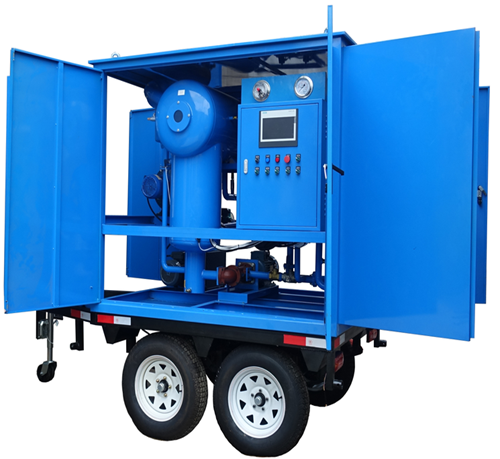
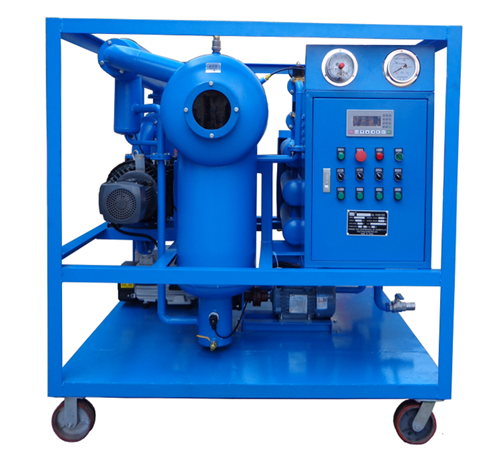
Maintaining the performance of your power systems is important for a reliable and economical current network. With use, transformer oil naturally deteriorates due to ignition, oxidation, and mechanical stress. This weakening can lead to increased operational payments, reduced efficiency, and potential damage to the machinery. Transformer oil regeneration offers a responsible and financially prudent solution to extend the lifespan of your transformers by rejuvenating their primary properties and performance.
The system involves cleansing the used oil through a series of high-tech methods, such as filtration, dehydration, and oxidation inhibition. This efficiently purges foreign matter, restores dielectric strength, and increases thermal stability. By adding regenerated oil into your transformers, you can significantly cut down maintenance requirements, boost comprehensive strength, and ultimately optimize the duration of your valuable assets.
Essentials of Lubricant Cleaning in Industry
Lubrication refinement is a key procedure in industrial applications. Hydrocarbon lubricants are continuously exposed to contaminants such as sediments, water, and oxidation products. These impurities can greatly weaken the working of lubricants, leading to increased friction, wear, and system breakdown. Effective oil purification methods involve multifaceted systems to extract the impurities. These methods can utilize thermal processing that physically trap impurities, chemical treatments that neutralize or dissolve the contaminants, and thermal processing that eliminates volatile elements. The selection of the most effective treatment depends on the specific application and the type of contaminants present. Regular oil purification not only lengthens operational life of lubricating oils but also decreases servicing needs. Moreover, it encourages protection measures by preventing equipment failures and preventing environmental pollution.
Mastering Oil Purity: A Detailed Manual
Supervising oil purity is indispensable for maintaining operational efficiency and environmental responsibility. This extensive overview delves into the details of oil contamination, explaining its causes, consequences, and effective management strategies. Presented will be comprehensive best practices, analysis approaches, and regulatory policies to help you limit oil contamination risks.
- Grasp the probable origins of oil contamination in various settings.
- Ascertain the noxious consequences of oil contamination on equipment, infrastructure, and the environment.
- Execute proven strategies to prevent and solve oil spills and leaks.
- Maintain awareness of industry regulations and best practices for oil contamination management.
Refining Fluid Properties for Better Performance
Protecting excellent fluid capability involves meticulous attention to detail, particularly when it comes to the quality of the hydraulic fluid. Fluid contamination can lead to a cascade of detrimental effects, including reduced efficiency, increased wear and tear on components, and even catastrophic system failures. Introducing a robust filtering process is necessary for mitigating these risks and ensuring the longevity and reliability of hydraulic systems.
Through regular filtration and cleaning processes, it's possible to remove harmful particles, water, and other contaminants that can compromise fluid performance. By employing high-quality filters with appropriate micron ratings and utilizing specialized purification equipment, operators can effectively maintain the integrity of the hydraulic fluid and extend the operational lifespan of critical components. This proactive approach not only minimizes downtime and repair costs but also enhances the overall safety and efficiency of hydraulic systems.
Complete Transformer Oil Cleansing Methodology
Consistent upkeep of transformer oil is indispensable for the consistent performance and useful life of your transformers. Eventually, oil can become contaminated with debris, affecting its ability to properly cool and buffer the transformer components. Deep cleaning transformer oil involves a multi-step process to eliminate these contaminants, reconditioning the oil's properties to optimal levels.
- Firstly appropriately draining the existing oil from the transformer tank. This involves proper precaution precautions and adherence to builder's guidelines.
- Afterwards, the transformer tank should thoroughly flushed with a suitable solvent. This stage helps clean any left behind oil and contaminants from the tank's walls.
- At the point when the tank is purified, the treated oil can be supplied back into the transformer. The amount of oil added needs to be compatible with the supplier's specifications.
- To end, it is vital to survey the transformer's oil level and status regularly. This will enable you to discover any potential issues early on, allowing for quick action.
Choosing the Suitable Oil Purifier for Your Needs
When it comes to opting for the ideal oil purifier for your demands, it's indispensable to consider a diversity of factors. First, identify the volume of your oil system and settle on a purifier that can efficiently handle it. Next, weigh the type of oil you're administering. Different purifiers are structured to strip specific impurities. Finally, incorporate your budget and research different brands and models that correspond with your choices.
- Furthermore, mind to elements like purification power, quiet operation, and care manageability.
Advantages of Transformer Oil Cleaning
Routine decontamination of transformer oil offers a multitude of tangible benefits that improve the effectiveness of electrical equipment. To begin with, purified oil reduces wear and tear to essential components, extending their useful life. This minimizes servicing costs. Furthermore, cleaner oil strengthens heat transfer capabilities, leading to more efficient cooling and preventing thermal stress.
By purging adulterants, transformer oil purification preserves smooth operation and reduces the risk of electrical failures. hydraulic oil filtration system This ultimately {contributes to|leads to