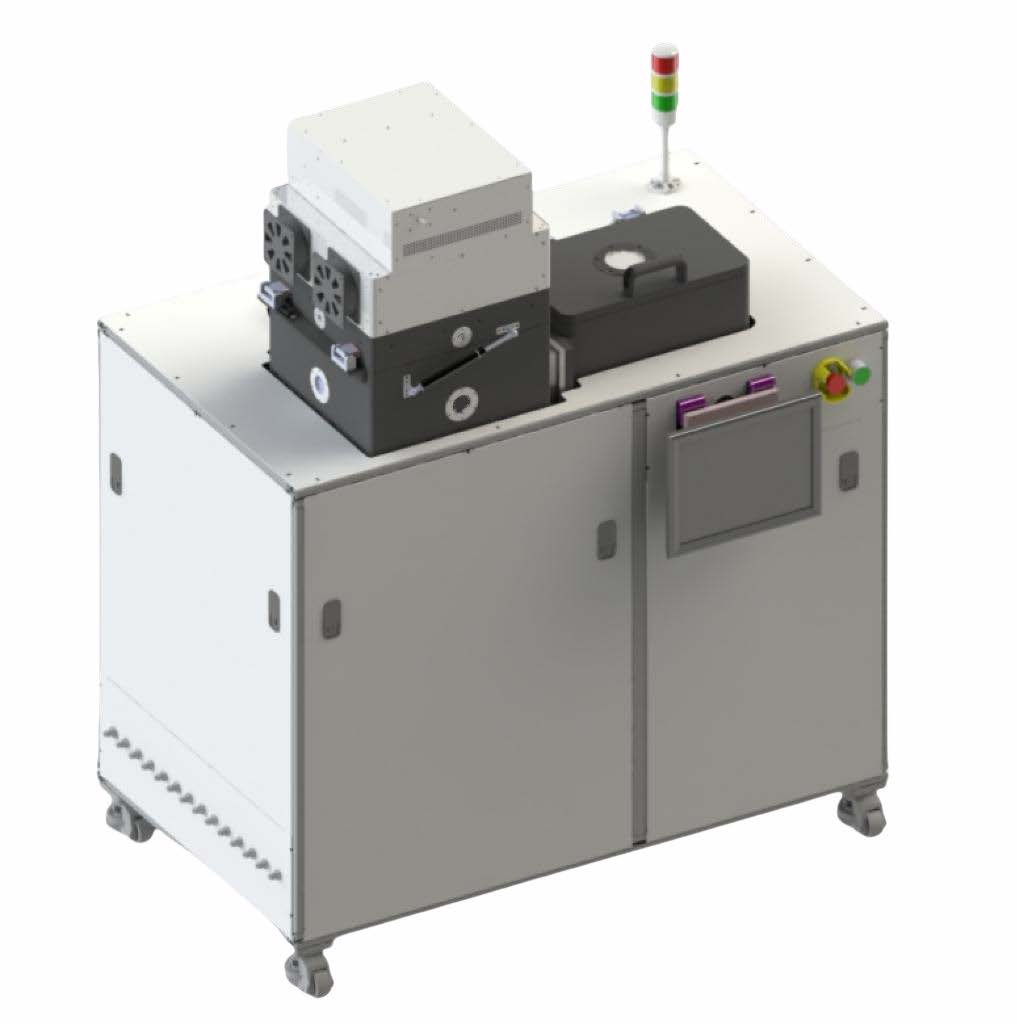
growth efficient plasma etch process standardization programs?

Fundamentals about plasma processing amidst device creation. This procedure exploits plasma medium to selectively eliminate base components for controlled design during micro-device manufacturing. By regulating process variables like plasma constituents, plasma power, and ambient force, the reaction tempo, material differentiation, and directionality can be carefully optimized. Ionized gas etching has reshaped the manufacture of microchips, detectors, and state-of-the-art equipment.
- What's more, plasma etching is frequently applied for specialties in image processing, bioengineering, and engineering of materials.
- A variety of forms of plasma etching are available, including reactive plasma etching and coupled plasma techniques, each with particular features and challenges.
The complicated characteristics of plasma etching implore a complete grasp of the primary physical frameworks and molecular reactions. This analysis seeks to offer a thorough recap of plasma etching, encompassing its foundational notions, multiple forms, practical uses, profits, problems, and forthcoming changes.
Riechert Etchers: Precision in Microfabrication
Relating to micron-level engineering, Riechert etchers are renowned as a top choice. These advanced devices are celebrated for their extraordinary correctness, enabling the construction of complex entities at the minuscule level. By employing modern etching methods, Riechert etchers achieve faultless control of the manufacturing sequence, constructing excellent outcomes.
Riechert technology serves a wide collection of domains, such as electronics. From building microchips to designing advanced medical gadgets, these etchers form a cornerstone in guiding the progress of technical advances . With focus to advancement, Riechert pioneers norms for exact microfabrication.
RIE Key Concepts and Utility
Reactive ion etching acts as a crucial process in chip manufacturing. RIE engages a combination of charged species and reactive gases to remove materials with fine control. This mechanism comprises bombarding the surface area with dynamic ion beams, which operate on the material to form volatile evaporated products that are then transported by a evacuation process.
RIE’s expertise in profile anisotropy makes it extremely important for producing elaborate formations in electronic circuits. Utilizations of RIE span the production of microchip switches, chip assemblies, and optical components. The technique can also form deep etches and connection holes for high-density memories.
- RIE-based techniques deliver tight command over chemical removal rates and selectivity, enabling the construction of fine characteristics at superior clarity.
- Diversified gas species can be chosen in RIE depending on the substrate and etching features sought.
- The non-isotropic quality of RIE etching enables the creation of perpendicular walls, which is important for certain device architectures.
Promoting Anisotropic Etching with ICP
Inductive discharge etching has become recognized as a vital technique for assembling microelectronic devices, due to its superior capacity to achieve solid directional accuracy and targeted etching. The fine regulation of process inputs, including voltage supply, component balances, and system pressure, permits the accurate control of pattern formation speeds and etch topographies. This adjustability allows the creation of intricate layouts with low harm to nearby substances. By calibrating these factors, ICP etching can reliably suppress undercutting, a usual complication in anisotropic etching methods.
Plasma Etching Methodology Comparison
Reactive plasma etching techniques are broadly executed in the semiconductor realm for constructing elaborate patterns on silicon wafers. This analysis considers multiple plasma etching mechanisms, including plasma sputtering, to measure their effectiveness for several substances and requirements. The review points out critical criteria like etch rate, selectivity, and profile accuracy to provide a complete understanding of the strengths and weaknesses of each method.
Optimizing Plasma Conditions for Better Etch Performance
Reaching optimal etching capacities in plasma treatments involves careful parameter manipulation. Elements such as current strength, gas formulation, and environmental pressure exert significant influence the material ablation rate. By thoughtfully changing these settings, it becomes workable to boost operational effectiveness.
Comprehending the Chemistry of Reactive Ion Etching
Plasma ion chemical etching is a principal process in microfabrication, which comprises the implementation of active ions to finely pattern materials. The primary principle behind RIE is the interaction between these energized particles and the component face. This interplay triggers molecular processes that destroy and carry away constituents from the material, giving a required structure. Typically, the process uses a fusion of chemical agents, such as chlorine or fluorine, which become ionized within the reaction vessel. These plasma species affect the material surface, prompting the etching reactions.Efficiency of RIE relies on various parameters, including the sort of material being etched, the preference of gas chemistries, and the processing factors of the etching apparatus. Fine control over these elements is fundamental for maintaining outstanding etch structures and containing damage to contiguous structures.
Shaping Etch Outcomes in ICP Systems
Maintaining true-to-design and uniform outlines is vital for the functionality of countless microfabrication activities. In inductively coupled plasma (ICP) treatment systems, modulation of the etch form is key in defining dimensions and characteristics of parts being developed. Salient parameters that can be changed to impact the etch profile include chemical environment, plasma power, sample temperature, and the electrode framework. By systematically regulating these, etchers can achieve outlines that range from rounded to highly structured, dictated by explicit application needs.
For instance, focused directional etching is typically required to create deep trenches or connection holes with cleanly outlined sidewalls. This is done by utilizing enhanced halogen gas concentrations within plasma and sustaining minimal substrate temperatures. Conversely, balanced etching forms smooth profiles owing to the regular three-dimensional character. This style can be advantageous for large region cleaning or uniformity improvement.
Additionally, innovative etch profile techniques such as plasma pulsing enable the generation of finely tuned and high-aspect-ratio features. These processes commonly include alternating between process intervals, using a fusion of gases and plasma conditions to produce the intended profile.
Discerning key influences that shape etch profile regulation in ICP etchers is indispensable for enhancing microfabrication strategies and realizing the intended device operation.
Ion Milling Processes for Chip Manufacturing
Ionized particle machining is a vital process performed in semiconductor fabrication to fine-tune removal of elements from a wafer based. This procedure implements dynamic plasma, a mixture of ionized gas particles, to ablate particular areas of the wafer based on their compositional qualities. Plasma etching facilitates several benefits over other etching approaches, including high pattern accuracy, which assists with creating narrow trenches and vias with minimized sidewall wear. This meticulousness is paramount for fabricating advanced semiconductor devices with structured constructions.
Operations of plasma etching in semiconductor manufacturing are diverse. It is employed to construct transistors, capacitors, resistors, and other primary components that create the platform of integrated circuits. Additionally, plasma etching plays a key role in lithography methods, where it supports the meticulous organization of semiconductor material to form circuit arrangements. The high level of control offered by plasma etching makes it an essential tool for state-of-the-art semiconductor fabrication.
Advanced Directions in Etching Technology
Modern ion milling techniques consistently advances, driven by the strengthened pressure on plasma etch process improved {accuracy|precision|performance