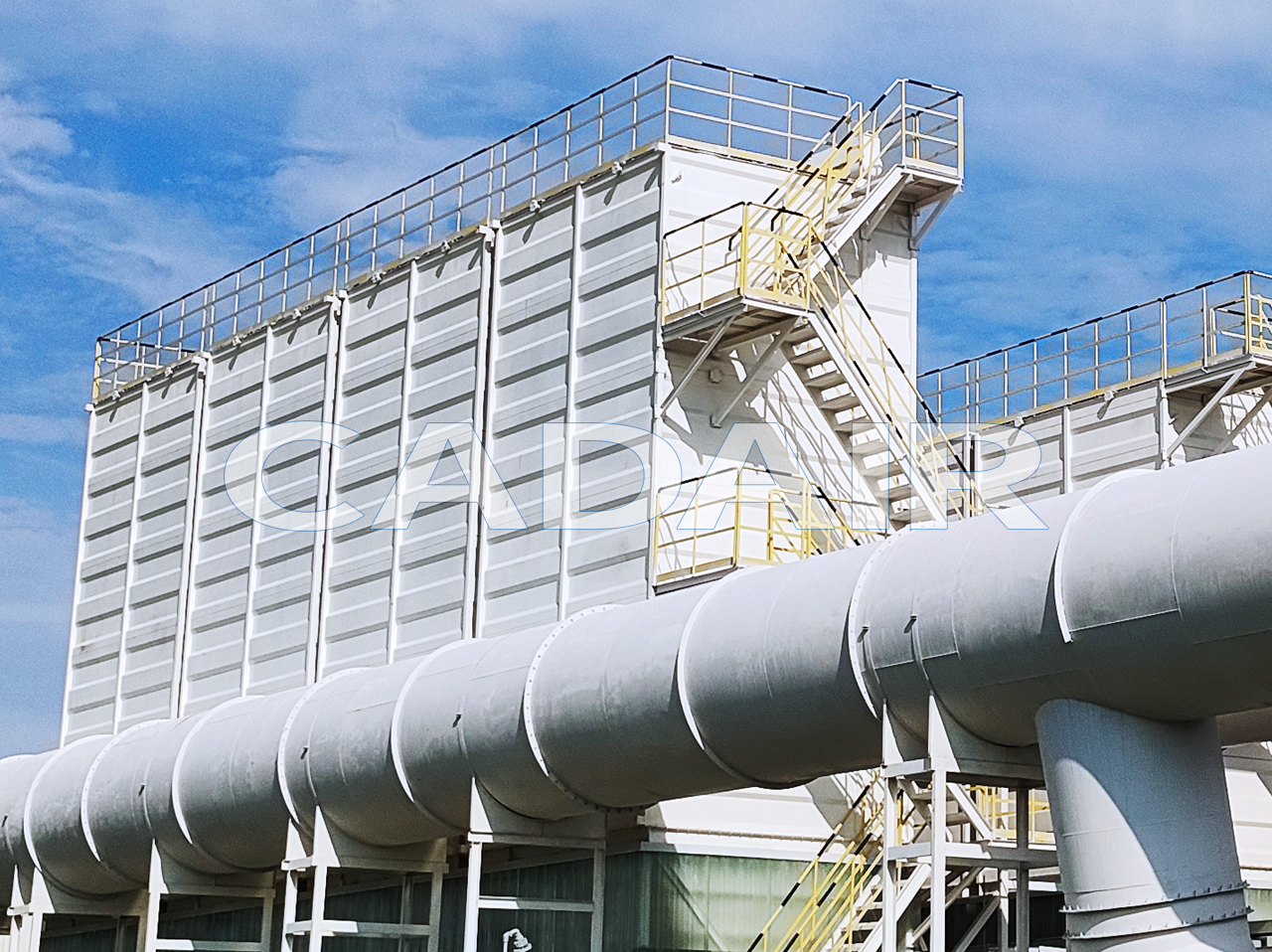
growth oriented industrial RCO devices for gaseous emission abatement?
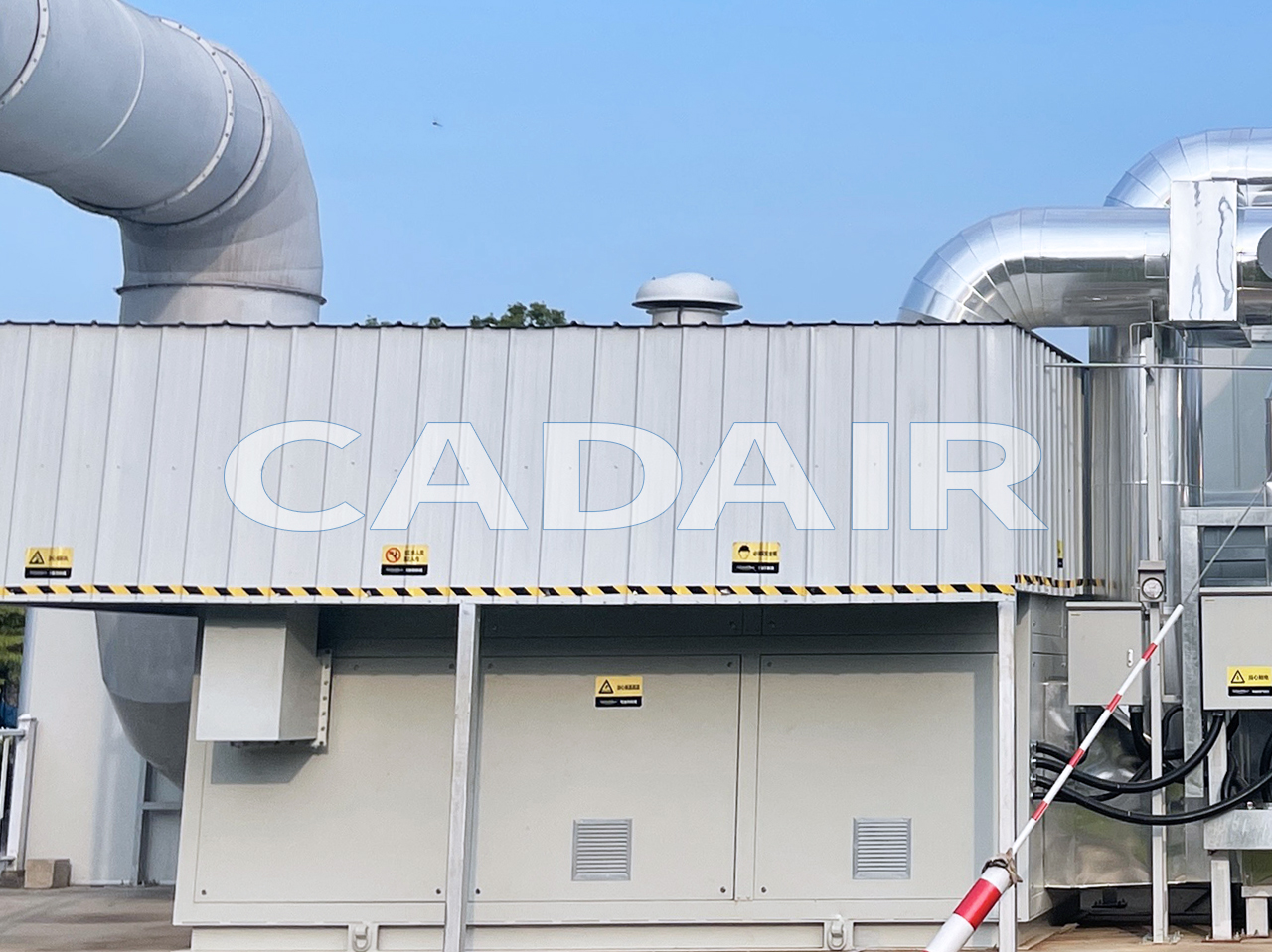
Initiating
Volatile organics cause health risks (Chemicals) threatening human well-being and ecosystem. Customary purification solutions call for abundant energy resources and yield dangerous byproducts. Zeolite cycle devices furnish natural substitutes, offering effective VOC adsorption inside ambient air. These elements provide ample interface and exclusive channels advocating remarkable VOC retention.
- Additionally, zeolite spinning devices regenerate, curtailing ecosystem disruption and investments.
- So, zeolite rotor technology gains acceptance in varied industrial applications, including industrial emissions control, indoor air cleansing, and wastewater treatment.
Integration of zeolite spinning devices represents a pivotal development for eco-friendly VOC elimination, offering environmental plus financial benefits.
Regenerative Heating Oxidizers: Effective Air Processing
Thermal recovery oxidizers offer leading air cleaning methods. These systems apply thermal oxidative methods of defiled drafts at soaring thermal conditions, completely degrading contaminants into harmless byproducts. Reused thermal energy lowers expenses. They succeed in removing airborne compounds, tiny solids, and degradants. Integrated throughout fabrication, medicinal, and wastewater management industries.Positives encompass airborne cleanliness, ecological care, and expense lowering. Additionally, compact design and minimal upkeep make them practical and attractive.
Catalytic Treatment Apparatus: Emission Reduction Strategies
Factory operations generate noxious vapors. Catalytic breakdown circuits lessen environmental threats. Catalytic agents change noxious compounds to benign products. Catalysts advance oxidation pathways conserving energy.
Numerous catalytic agents suit specific needs, including luxury metals such as silver and copper. Best catalyst selection mandatory to improve efficiency. Catalytic reactor design secures effective pollutant contact to maximize oxidation progression.
Catalytic units outperform classic approaches by targeting. They eliminate chosen impurities while protecting base gases. Besides, they perform in chilled conditions impacting budgets favorably. Steady improvements optimize emission reduction via catalysis facilitating cleaner processes and healthier environments.
Refining Regenerative Catalytic Oxidizer Output
Attaining best function implies precise tuning. Opting for apt catalyst species is critical. Refining operational metrics such as temperature point and retention period advances results. Observation and measurement tactics secure reliability. Consistent care and validation maintain functionality of the system and operation.
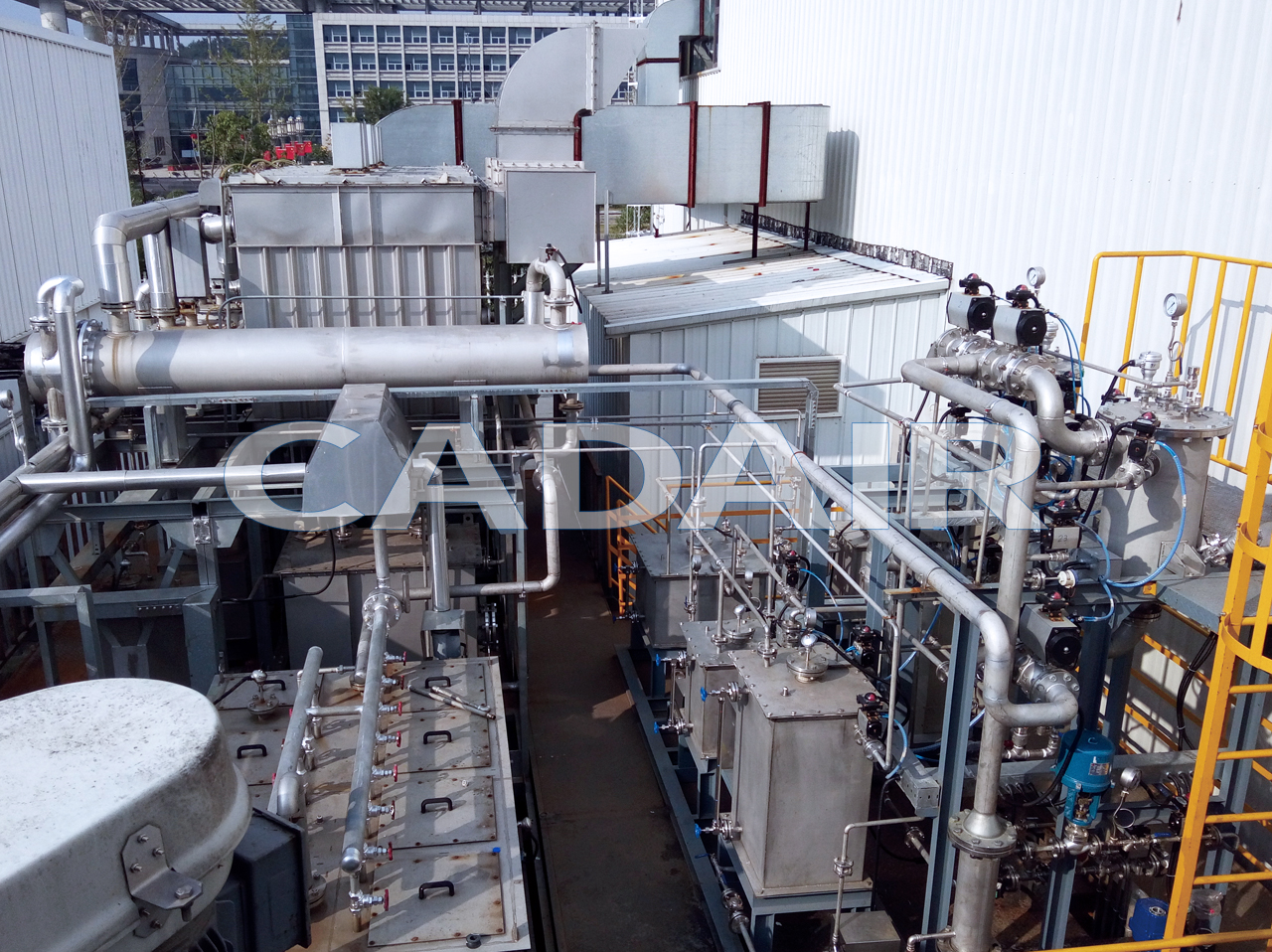
Zeolite Contribution to RTO Excellence
Thermal oxidation technologies function primarily curtailing VOC emissions. Zeolite entities assist critically due to binding properties and catalytic influence. Selective VOC capture boosts oxidative degradation efficiency. Moreover, zeolite catalysts speed chemical degradation cutting heat consumption and maximizing performance.
- Hence, embedding zeolites boosts emission purification, economic fuel use, and green impact.
Examining Zeolitic Substances Versus Conventional Catalytic Materials
New catalytic technology progress encouraged analytical comparisons of man-made zeolitic matrices compared to traditional catalytic compounds. This evaluation inspects catalyst performance, selectivity, heat endurance, and value. Ultimately assessing zeolite efficacy in completing VOC oxidation in RTOs. This aids advance efficient and eco-conscious pollution control technology.
- Zeolites involving considerable porosity and surface extent provide formidable catalytic support.
- Usual catalysts largely oxide metal compositions endure constraints in action and discrimination.
Also, evaluations consider temperature ranges, time spans, and feed gas factors affecting synthetic and classic catalysts. Such holistic analysis supports refining RTO catalyst choices and settings for superior VOC capture and reduced power consumption.
Simulation Approaches for Regenerative Catalytic Oxidizers
Cutting-edge catalytic oxidation installations comprise elaborate setups handling pollutant gases. These devices employ catalytic reactions to eliminate harmful substances generating heat as byproducts. The intricateness of processes obliges trustworthy digital tools guiding optimization and Regenerative Thermal Oxidizer creation. Analytical modeling supports foreseeing principal parameters under assorted operation conditions. Additionally, computational analyses identify limitations and facilitate design of superior catalytic oxidation units.Thermal and Catalytic Oxidation: Making the Right Choice
Selecting suitable oxidation methods involves multifaceted evaluations. Oxidative methods based on heat or catalysts present distinct pros and cons. Thermal oxidation mandates high temperature inducing chemistry. Catalytic oxidative systems foster reaction kinetics under softer heat. Choice depends on efficiency, cost, and target substrates.
- Heat-fueled oxidative processes commonly yield enhanced conversion requiring more energy
- Catalytic systems work at mild temperatures generating savings and less emissions
Extensive understanding of conditions enables tailored technology picking. Using expert input strengthens technology selection aligning function with ecological impact.
Reducing Air Pollutants with Zeolite Rotor Technology
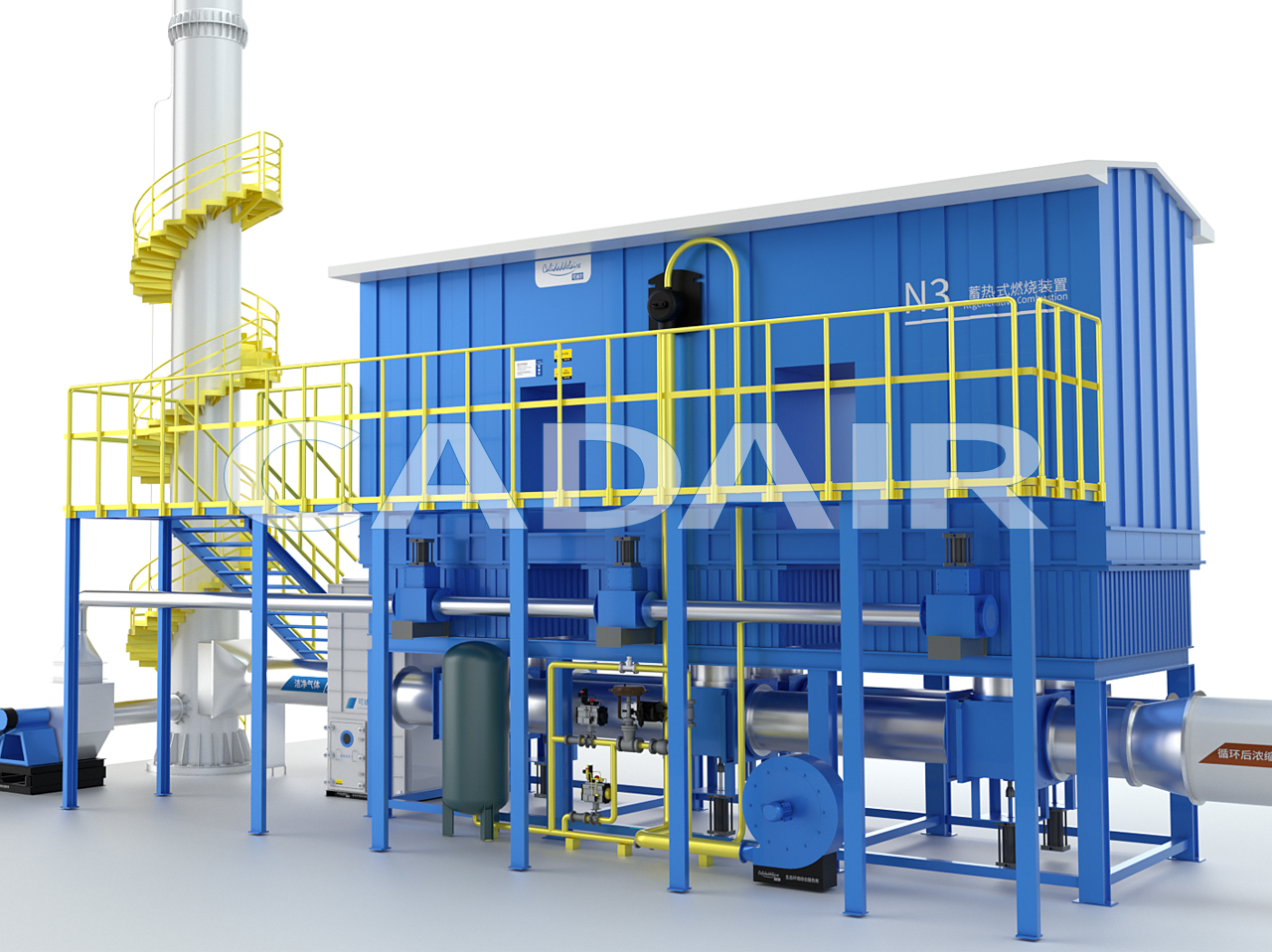
Zeolite rotating technologies present effective pollutant reduction across industrial and automotive markets. Made up of crystalline porous zeolites, such rotors capture harmful chemicals via physical, chemical, or electrostatic processes. The rotating action ensures continuous, efficient emission control. Multiple zeolite varieties engineer for specific pollutants including CO, nitrogen oxides, and VOCs, making this technology tailorable, elastic, and multipurpose for many ecological demands.
- Supplementary, rotor mechanisms confer exceptional attributes beyond classic pollution controls, including:
- Slashed energy requirements.
- Compressed configuration.
- Enhanced toxin removal.
Constant development and experimental advances back the evolution of zeolite rotor techniques, boosting eco solutions regionally.
Case Studies: Successful Regenerative Oxidizer Applications
Within the expanding oxidation domain, regenerative oxidizers confirm their influential and reliable capabilities. Their capacity to convert waste emissions into valuable resources attracts considerable attention.
- An exemplary example shows regenerative oxidizer curbing significant harmful emissions from a chemical manufacturer achieving significant exhaust abatement and demonstrating environmental benefit potential.
- Further example captures regenerative oxidizers employed in power plants converting biomass into energy enabling successful and eco-friendly generation of energy from organic materials offering clean substitute for conventional carbon fuels.
These reports reflect regenerative oxidizers’ broad use and powerful performance across fields. Sustained innovations foresee next-generation applications for this promising technology in upcoming years.
The Future of Air Pollution Control: Zeolites and Regenerative Systems
Amid growing global air pollution concerns, urgent, innovative approaches are needed. Among these, synergistic combinations of zeolites and regenerative systems promise breakthroughs. Zeolites, valued for remarkable adsorption and tunable pores, efficiently trap pollutants from exhaust. Coupled to eco-friendly systems, they empower constant pollutant capture and reuse trimming waste and boosting environmental protection. This amalgamation yields strong approaches confronting various pollution challenges encompassing factory discharges, mobile emissions, and indoor air quality. Furthermore, continuous studies optimize zeolite composites and regenerative designs, enabling more advanced and flexible air treatment units.
- Cutting-Edge Zeolite Structures
- Eco-Friendly Process Improvement
- Expected Results in Atmospheric Cleansing