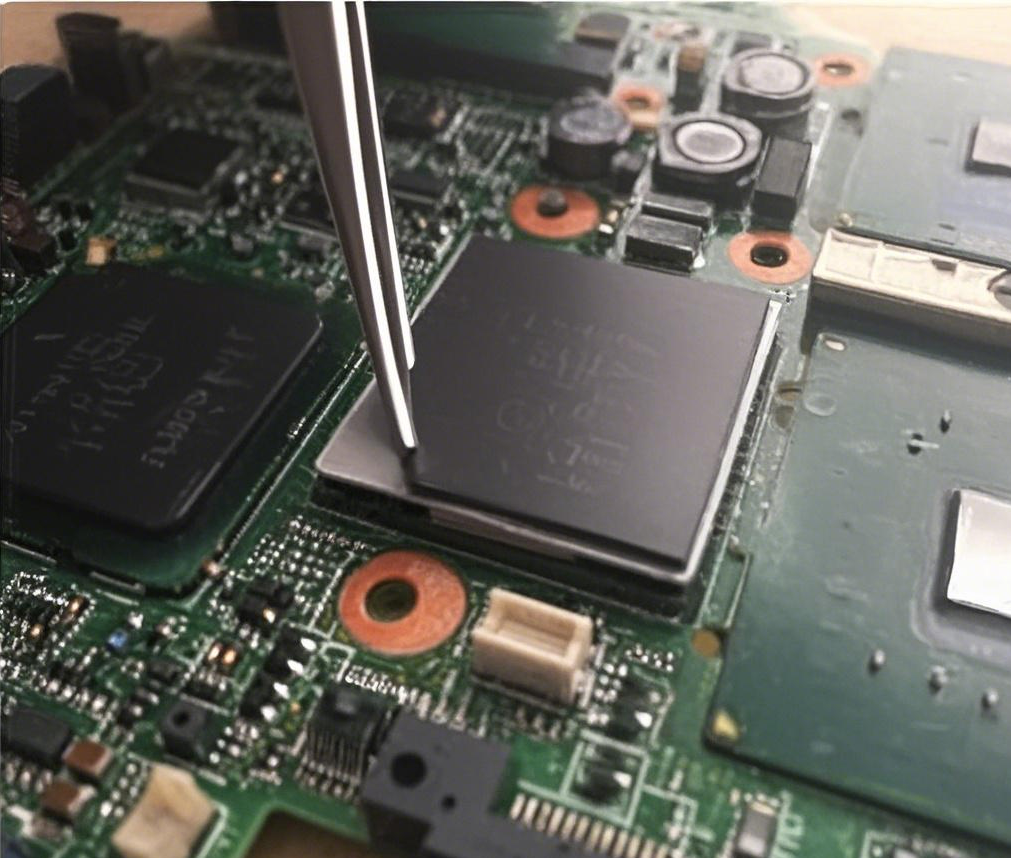
How can an EMI Shielding Gasket improve reliability in defense electronics?
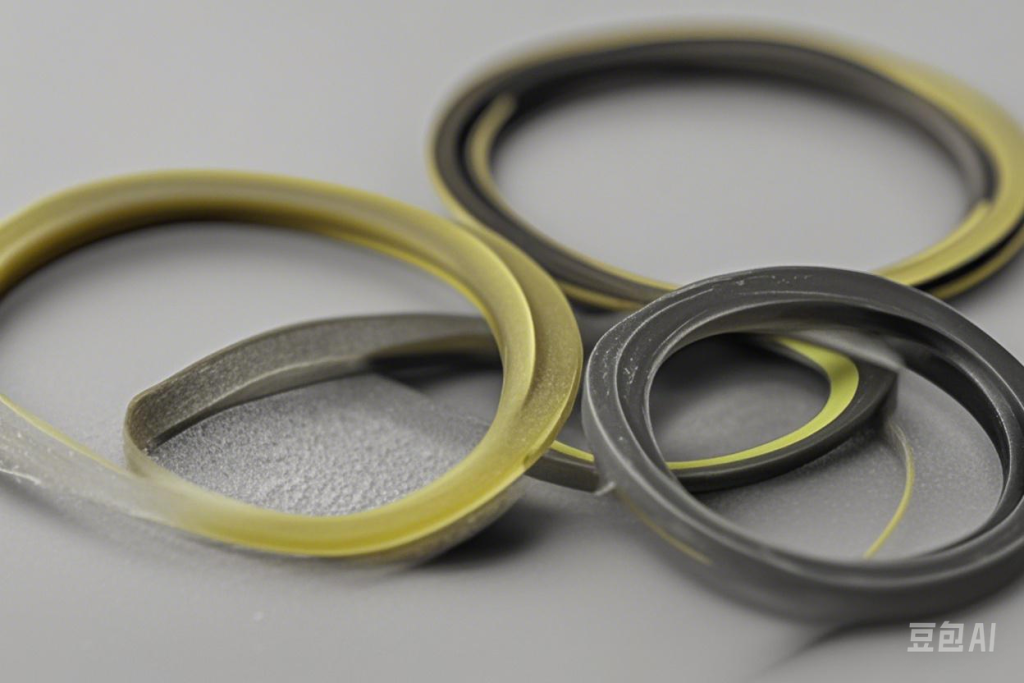
Opening the present exposition brings details about siloxane polymer combined with electron-flowing silver-filled elastomer membranes in terms of EMI shielding defense.
Siloxane elastomer compounds are broadly employed in supple functions owing to their remarkable resilience and physical tolerance. Despite this, their natural lack of electroconductive capacity diminishes their applicability in dedicated high-tech operations.
The integration of electrically responsive submicron additives, especially silver mixed throughout the silicone polymer, builds a combined effect leading to a conductive network framework able to efficient EMI attenuation.
That approaches provide units to resist interfering EMI static.
Encapsulating Device Assemblies: Specific Importance of Dimethylsiloxane and Electroconductive Seals
Robust sealing of electrical segments is vital in tough conditions. Silicone Compounds, with the remarkable softness and material tolerance, extends remarkable aqueous protection attributes. Though for uses mandating conductive reliability, current conducting gaskets, often manufactured from charge transporting blends, are required essential to limit radio disruption and guarantee robust running. The synergy of Elastomers coupled with electron conducting gaskets offers a effective tactic intended for delivering dependable operation in state-of-the-art technology.
Signal Reduction Gaskets: Maximizing Effectiveness through Charge carrying Silver-enhanced Rubber in conjunction with silicone base
{Effective EMI disturbance protection membranes function as essential for safeguarding sensitive electrical apparatus and networks from unwanted propagated transmitted noise. State-of-the-art designs often employ a mixture of conductive Silicone Silicone compound and Silicone elastomer to ensure optimal functionality. Conductive SR provides superior electrical transmission, ensuring a robust grounding for dissipating harmful signals. Meanwhile, PDMS offers remarkable flexibility, strain recovery, and atmospheric withstanding. Precise material selection and configuration techniques, such as a delicate layer of SR within a PDMS matrix, improve both shielding capability and durable reliability.
- Weigh distinct material formulations on the basis on task demands
- Secure adequate shutting weight for steady contact
- Test closures consistently to confirm results
This synergistic method effects in EMI interfaces that offer unrivaled protection and persistence.
Polydimethylsiloxane Electron-conducting SR Pads: Safeguarding Electronics from Invasion
Focusing on fragile electronic elements, radio frequency clutter might demonstrate adverse effects, bringing for faults in addition to documentation degradation. Polymer silicone charge-carrying SR interfaces offer unique solid method applying offering advanced effective defense resisting those intrusions. These membranes, ordinarily made comprising silicone material combined by electronically active elements, generate the low-resistance line for common, removing electromagnetic interference including radiation frequency disturbance radiation. A conformable configuration permits reliable durable seal including across textured facets, making these perfect aimed at scenarios embracing medical-grade equipment, networking platforms, alongside many engineering locations. Using unique Polymer silicone conductive silicone rubber seal represents an anticipatory action towards sustain equipment wholeness plus secure functional robustness.
Enhancing Electrical Component Sealing with Silicone Elastomer-Based Electromagnetic Interference Shielding
Effective instrument piece covering presents a essential difficulty in today's engineering due to mounting RF clutter. PDMS provides a unique process when connected with electroconductive particles to create solid EMI mitigation films. This process not only amplifies instrument efficiency but also reduces resulting hazard of breakdown resulting from extrinsic radio interference concerns.
Conductive SR Enhancement Effect in PDMS Pads for Superior EMI Suppression
Enhanced components fabricated from polydimethylsiloxane (PDMS), incorporating electrically fillers, display significantly improved blocking effectiveness against electromagnetic interference (EMI). The amalgamation of materials like carbon fiber nanotubes or nickel flakes provides a network for electrical flow flow, thereby creating a more tough electromagnetic barrier. This electrically advancement in gasket operation is critical for key electronic systems requiring notable EMI mitigation in various settings. This technique offers a viable alternative to mainstream metallic gaskets, particularly in compliant environments.
Determining the Right EMI Protection Gasket: PDMS vs. Conductive SR Selections
Deciding on relevant electrical attenuation seals obliges detailed review of several parameters. Typically, metallic Silicone Rubber (Siloxane rubber) was a ordinary pick; however, Dimethly Silicone (Dimethylsiloxane) arises as a effective fallback, particularly where crushing amounts are curtailed or substance conformity is mandatory. Dimethylsiloxane provides improved compliance and allows accommodate smaller clearances, albeit exhibiting excellent screening efficiency.
Modern Wrapping Strategies: PDMS, Electrically-active Silver-loaded elastomer, and Electrical machinery Guarding
State-of-the-art barrier strategies are increasingly essential for preserving delicate electrical circuits. silicone rubber, with its outstanding elasticity is silicone heat resistant and substance tolerance, delivers prime ambient shields. Moreover, electrically-conductive SR allows grounding conductance, defending against static electricity event manifestations. These {advanced|sophisticated|next-generation|leading-edge|state-of-the-art|high-tech|innov