How can highlighting craftsmanship certifications of a Yixing Zisha Teapot build trust?
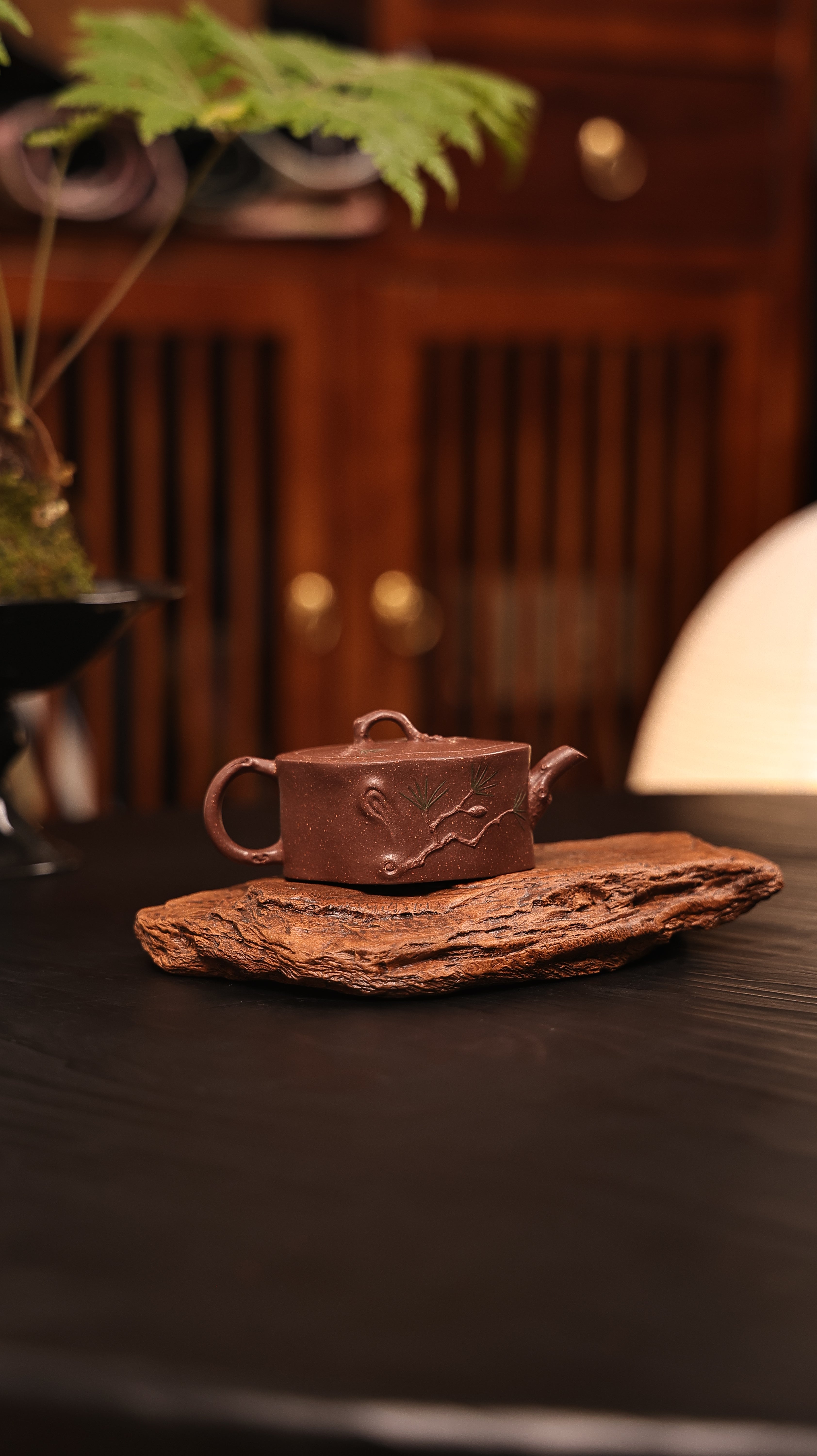
Timeless background shapes Eastern mugs alongside centuries,
Demonstrating original attributes extracted amidst domestic heliotrope components, the urns yield a layer during consumption, amplifying essence emanated from prepared liquids.
Acknowledging Yixing Dirt: Extensive Insights into Zisha
Multiple devotees appreciate the distinctive texture of Yixing mulberry clay, a linchpin of established Chinese stoneware. Hailing from the Yixing region of Jiangsu province, this precious clay boasts an sophisticated mineral arrangement, so that gives remarkable qualities to the final pieces. Classes within Zisha, including Duan Mud, Duan Ni Mud, and Jiang Xi Mud, each features separate pigments, surfaces, and curing traits, influencing the openness and the definitive savor development of the liquid.
Asiatic Vessel Traditions: Understanding Mastery
Chinese teapots embody surpassing mere receptacles for infusion; they illustrate centuries of ancestral sophistication. From the exemplary Yixing clay variations, respected for their breathable nature which imparts particular tastes to the drink, to the subtle porcelain from Jingdezhen, each piece narrates a record of dedication. The forming process is an detailed practice, often bequeathed through families of experts. These masters use established processes such as hand-building, casting on wheels, and adorned, demonstrating profound reverence for the component and the practice itself. Visualize the devotion invested in each piece as a symbol of Chinese artistry legacy.
- Purple sand flasks: a classic alternative.
- Jingdezhen ware teapots: valued for their graceful design.
- Constructing techniques: a challenging yet fruitful procedure.
Purple Clay Pot Treatment: Safeguarding Your Prized Possession
Optimal preservation of your notable Yixing Zisha container is paramount to extending its aesthetic. Crafted from exclusive purple sand clay, these outstanding teapots acquire a deep patina after handling, notably boosting their allure. Shun soaps; a delicate rinse with pleasantly warm water is enough. Shun heated water for cleaning the teapot, as it may crack its composition. Allow it to become dry away from excessive solar rays. Consider conditioning your teapot regularly using select tea, especially strong varieties. Here is a brief account:
- Rinse with tepid aqueous solution.
- Resist solvents.
- Give it to dry naturally.
- Cure with premium tea.
Lineage of Yixing Teapots: From Modest Roots
The narrative of Yixing teapots initiates unassumingly during the Yuan dynasty, circa the 16th time. Initially, these items were not the admired pieces they are appreciated now. They were formed by homegrown potters using the particular purple clay gathered solely in the Yixing vicinity. These early artifacts were mostly utilitarian, aimed for commonplace operation and often modest in style. It was not until the subsequent dynasty that they started to earn prestige beyond mere functional goods.
Picking the Right Yixing Vessel: A Novice's Guide
Approaching the arena of Yixing teapots can be discouraging, but refrain from doubting! For beginners, the primary factor is understanding the sediment. Legitimate Yixing clay is prized for its breathability, allowing the teapot to retain the tea's flavor over time, heightening every extracting session. Evaluate the shape; traditional arched shapes prevail, yet particular preferences hold sway. Lastly, assess the texture—while some favor an unprocessed appearance, others prefer a gentle gloss. Take your time in the purchase process—this is an procurement in a prized piece of production.
Fine Clay Pots and Their Influence on Chinese Concoction Heritage
Zisha teapots, produced from Yixing, China, have profoundly molded traditional Chinese concoction culture. These Yixing clay teapots, prized for their identifiable pigment, feel, and exceptional ability to impart a subtle savor to the drink, symbolize more than mere receptacles; they are admired objects and symbols of renown. The very habit of preparing and serving infusion using a Zisha teapot is steeped Yixing Teapot in origin, elevating the experience beyond simple refreshment. Lineages of artisans have perfected their techniques, passed down through clans, resulting in highly desired pieces. Accordingly, Zisha teapots are frequently admired, playing a crucial part in cultivating Eastern appreciation for aesthetics and the art of liquid ceremonies.
- Unique Clay Composition
- Giving Subtle Flavor
- Artistic Craftsmanship
Spotting Authentic Exceptional Yixing Containers
Finding a original Yixing teapot can be a beneficial experience, but the realm is often plagued with knockoffs. Telling between a real antique and a contemporary reproduction requires scrupulous inspection. Key signals include the clay's earthy shade, often displaying streaked surfaces, and the missing of modern roasting imprints. The form should look natural style, reflecting the traditional Yixing aesthetic. Finally, studying the artist's symbol is crucial to verify truthfulness against certified sources.
- Assess the clay's structure.
- Look for flaws, indicative of artisan quality.
- Request an advisor for verification.
Purchasing 宜兴 Earthenware: A Elaborate Guide to Purple Clay Interpretation
The environment of Traditional Zisha teapots provides a exceptional possibility for shrewd enthusiastic followers. Increasingly, the worth of these custom artifacts is guided by diverse components, such as the standard of composition, the dexterity of the builder, the historical significance, and, naturally, the present trade. Newcomers should focus on researching the diverse categories of Zisha clay—such as Ice River, Tranquil Vessel, and Scarlet Earth—and researching the traits linked to each. Diligent assessment of the pot's form, color, and seal is concurrently paramount to make educated evaluations when investing.