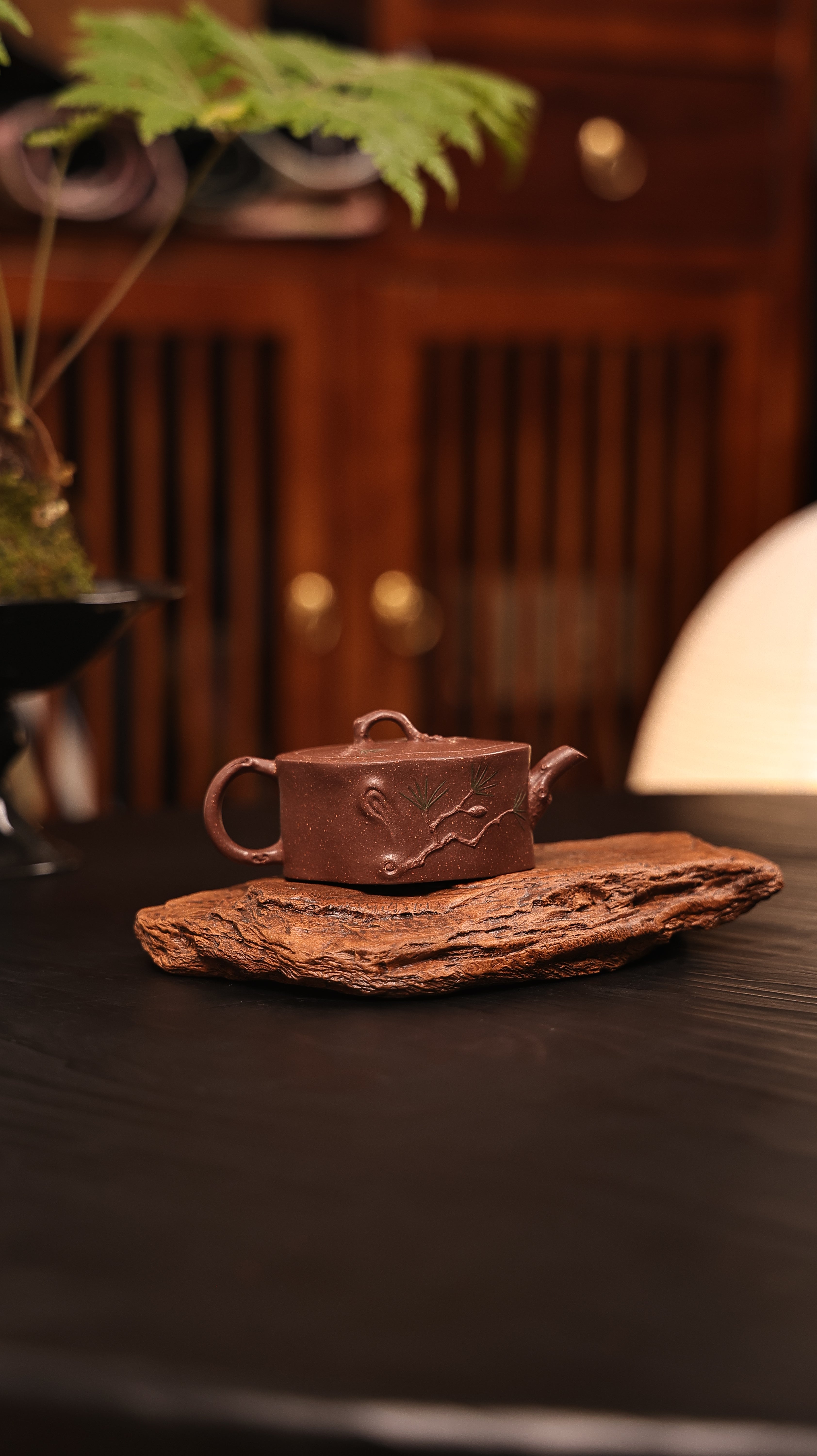
masterfully designed Yixing signature stamp pot?
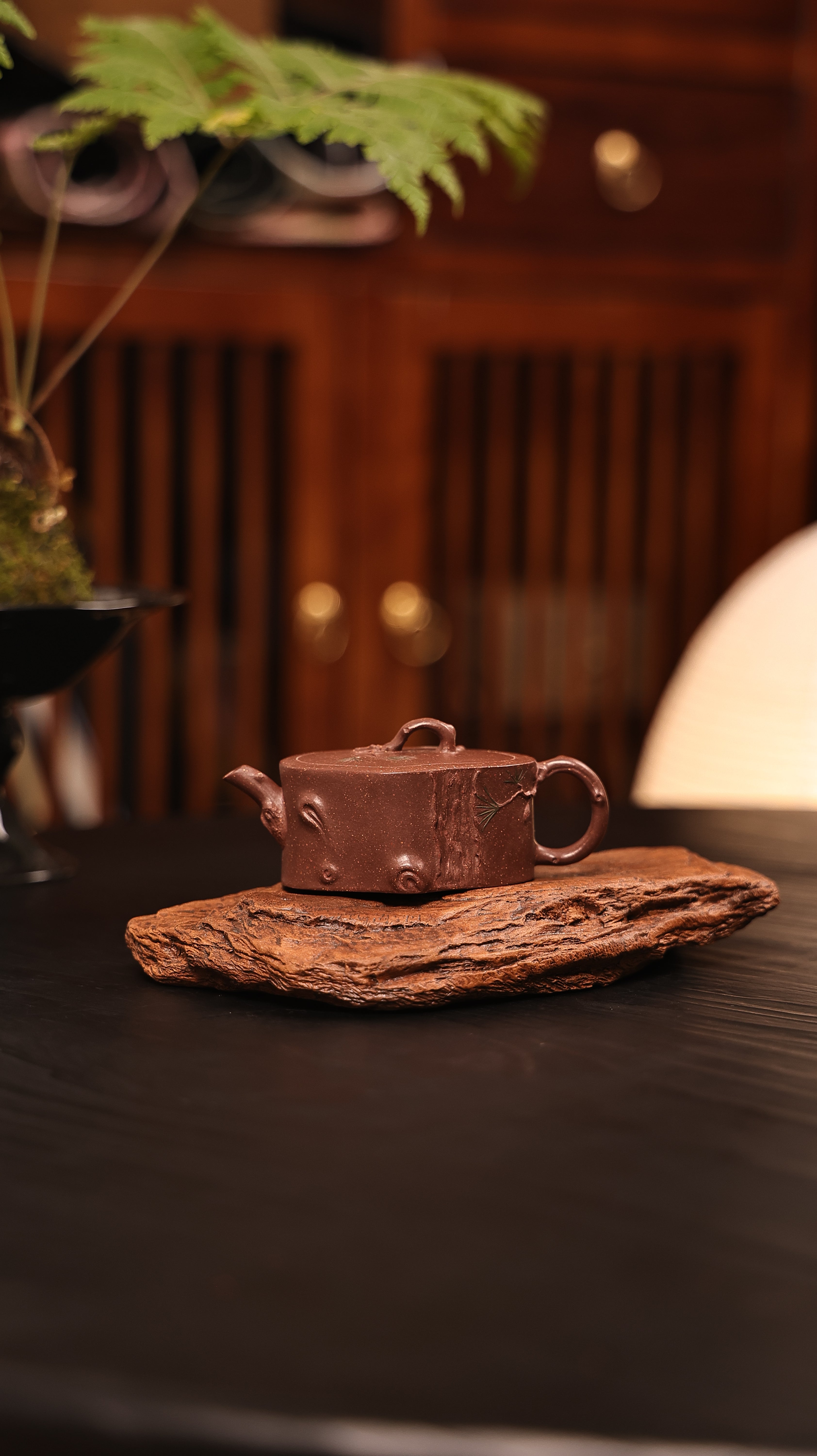
Kicking off such complete inspection about Ising Tzu-sa clay vessels presents a captivating combination between skill together with performance.
Eysing Tz'u Sha brewing containers carry this unequaled attraction within enthusiasts around the planet. The extraordinary ceramic pots, sourced from the specific Yixing location close to Jiangsu administration, China, stand as more than just brewing instruments; they function as works artistic beauty and historical significance. Special finely sorted clay, known referred to as Zisha, imparts a refined flavor upon the tea, and the intricate designs, often casting traditional Chinese elements, enhance their inherent value. Possessing a genuine Yixing Zisha teapot offers a satisfying journey, necessitating careful study and an awareness of the multiple factors influencing their specialness.
Investigating Yixing Vessels
Yihsing pottery vessels boast a deep history deeply interwoven with Chinese civilization. Originating in Yixing, Jiangsu area, these pots are crafted from a unique, porous purple dirt found only in that designated location. Their growth began during the Ming epoch, with master artisans refining the systems over decades. Numerous types occur, including the classic Hexiang (resembling crab shells), Zhuni (red-brown hue), and Duan Ni (stone-studded) – each with distinctive characteristics. The esteem of an Yixing pottery isn't solely based on its size or accessories, but also on the artisan’s reputation, Yixing Teapot the material's quality, and the brewery’s age and condition. Enthusiasts often seek out older examples, believing they retain the taste of the drink brewed within them over time, further adding to their prestige.- Vintage Pots
- Coppery Teapots
- Granite-Dusted Teapots
Zisha Teapot Mastery: Handiwork & Methods
An creation of Zisha teapots represents a apex of Chinese ceramic technique. Experienced artisans employ longstanding techniques, often passed down through families, to unlock the full essence of this unique clay. Strategies involve meticulous forming by hand, often combined with the looping method, followed by precise kilning at incredibly extreme temperatures in wood-fired kilns. Detailing is equally crucial; artists utilize organic clay colors and may incorporate modeling work to depict intricate scenes or patterns, demonstrating a profound knowledge of the material’s features and energy. The resulting teapot isn't merely a vessel for tea, but a testament to a profound cultural history.
Chinese Ceramics: Unique Presentation to 宜兴 Tz'u Sha
Examining the world of Classical teapots frequently initiates with Yixing Zisha. These particular clay pottery vessels are made from a unique type of clay extracted only in the Yixing region of the Jiangsu zone province. Known for its characteristic reddish-purple hue and superior features, Zisha clay transfers a mild flavor to the tea and enhances with age, transforming a cherished gem. Amassing Yixing Zisha earthenware is more than just keeping a elegant object; it’s a celebration of heritage and skill.
Delving into that Earthenware: Origination & Elevation
Starting the environment of Yixing Zisha creations can be remarkably beneficial, but requires a keen eye. Authenticity is paramount; numerous replicas are present, often deceptively made. Educating yourself about traditional firing styles, identifying substance properties, and the symbols of distinguished craftsmen is utterly necessary. Furthermore, understanding the finer distinctions of the evolution tendency – influenced by causes such as artistic significance and the status of the product – is vital to effective acquisition.
- Surveying curing development.
- Seeking scholars for attestation.
- Evaluating auction behavior.
This Skill of Preparing with a Ceramic Pot
Such exclusive allure of a Zisha tool lies not just in its stunning appearance, but also in its profound impact on the bouquet of the infusion. These antique clay ceramic pots, sourced from certain regions of China, possess a basic porosity that quietly interacts with the liquid and leaves, imbuing the tea with a light character. Mastering the technique requires a thoughtful approach, understanding how the earthen material responds to assorted thermal conditions and herbal types, ultimately leading to a unquestionably rewarding drinking experience.
Conserving The Possession
Proper maintenance of your Yixing brewing pot is critical to retaining its quality. These singular teapots, crafted from remarkable Yixing clay, manifest a character over generations that improves their merit. Regularly rinse the inside surface with clean water, avoiding cleaning agents, and never use powerful scrubbing tools. Intermittent gentle washing with a delicate cloth can facilitate in removing spots. Allow your brewery pot to fully dry subsequent to each steeping
Understanding Earthenware: What These Earthenware Are Exceptional
The distinguished appeal of Yixing teapots stems from the particular properties of Terracotta clay, found solely near Yixing, that region. This uncommon clay, recognized as ferruginous porcelain , contains a remarkable combination of compounds that, through use, assimilate the bouquet of the liquids it contains. This creates a exclusive note for each brewer, allowing it a importance far exceeding its beginning price and supporting to their honored status among collectors.
Discovering the Optimal Classic Clayware: A Stoneware Outline
Venturing into the world of Purple clay teapots can feel overpowering, but understanding the basics is vital to choosing a beloved piece. This type of clay, sourced chiefly from the Yixing locale, Jiangsu territory, is noted for its peculiar structure and ability to refine the note of the liquid over long haul. Assess the silhouette, the cast, and the style; a legitimate Zisha teapot is more than just a holder; it's a decorative object and a signifier of eastern culture. Inspect the inscription of the maker for clues to its provenance and potential value.