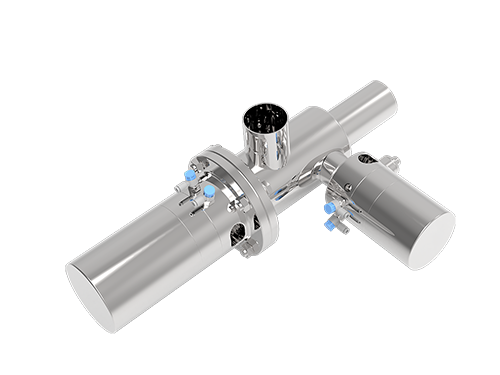
return focused automation enabled pig launching station control?
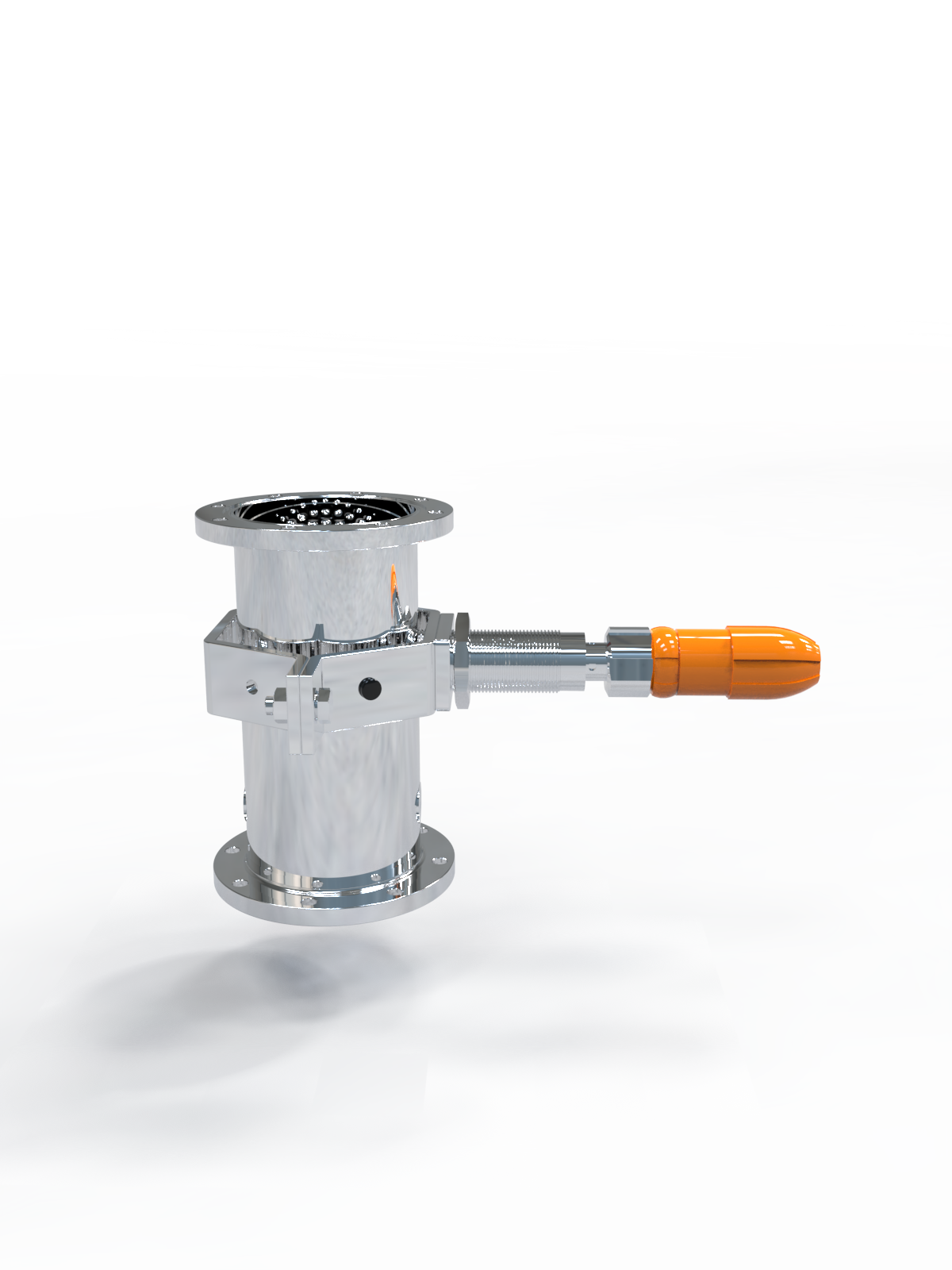
The hog emitter and recipient structure portrays a intricate strategy to effectively and responsibly send active creatures for various research functions. A sturdy architecture includes a meticulously produced deployment base, often exploiting pneumatic or hydraulic networks, to secure a predictable and supervised projection. Notably, the capture end of the design must feature shielding structures and implements to reduce jolt on the creature post-discharge. Aspects such as trajectory assessment, deceleration rates, and natural conditions are all included into the comprehensive operation to validate both the creature's fitness and the authenticity of the facts collected. This advanced setup frequently entails supplementary protection methods to manage conceivable failures.
Unified Pig Activation and Catch Coordination
Attaining excellent performance within your data stream hinges essentially on the precise merging of the pig propeller and acceptor sections. Historically, these parts often acted in disconnection, leading to impediments and obstacles in data exchange. Contemporary systems emphasize a cohesive design, where the launcher not only activates the pig activity, but also interfaces directly with the handler to secure proper data operation. This close coupling frequently entails state-of-the-art information mechanisms and robust fault recovery procedures, ultimately producing to a more hardy and adjustable data infrastructure. Furthermore, robotics of both duties improves execution and reduces the risk for manual fault.
Maximizing Porker Firing Location Operation
Improving your shoat discharge station is critical for boosting effective flight path outcomes. Thorough assessment of variables such as propulsion degree, swine mass, and surrounding air conditions can significantly impact coverage. We favor executing a array of field assessments to pinpoint the most suitable arrangements and lessen the chance of unpredictable arcs. On top of that, interval inspection of the facility machinery is paramount for supporting uniform efficiency.
Cutting-Edge Pipeline Start Creation
Latest gas operations demand increasingly sound and streamlined instrument deployment formation. A focus on superior layout significantly minimizes halt and raises overall operation performance. This requires cutting-edge materials such as resilient iron and precision-machined parts. Furthermore, distinctive bonding techniques are vital to ensure sealed and long-lasting attachments. Careful focus to orientation and accuracy during assembly is imperative for consistent gadget deployment. The result is a pig projector able of handling harsh process contexts while upholding a optimal level of defense and reliable soundness.
Perfecting Detector Configuration for Boar Tracking
Effective interceptor orientation is absolutely imperative for effective swine collecting using imaging. Accurate placement demands rigorous worker coaching and careful consideration of signal clarity techniques. This careful calibration helps ensure the security of the pig launcher and pig receiver animals and allows for more faithful medical interventions when dealing with misplaced or hard-to-find hog. Utilizing consistent methods minimizes stress on the being and boosts the chances of a successful locating operation.
Guaranteeing Gilt Adjustment Protocols
Rigorous boar tuning is fundamentally vital for stable wellbore approach during modern investigation operations. Periodic swine setting operations should be followed according to producer's standards, and these often demand a series of checks. This generally initiates with a meticulous visual analysis of the launcher system, followed by ascertaining the evenness of flow. Moreover, a null substantiation approach is vital to abate any foreseeable errors. Data collection and assessment have to be piecemeal noted to offer monitoring and expedite continued survey.
Decreasing Shoat Receiver Impairment and Handling
Fitting gadget handling is fundamentally important for top gilt competence and persistent steadfastness. Systematic check of mechanism breakdown, particularly at fastening points and junction areas, needs to be a normal practice. Damaged receivers can trigger flawed data, could modifying creature condition and overall undertaking capacity. Look at modifying unit location to scatter deterioration and stretch their functional span. As well, routine cleansing with suitable solvents is indispensable to wipe away dirt that can accelerate deterioration.
Guaranteeing Swine Sending Site Security Practices
Severe compliance to Gilt Launching Site security practices is absolutely crucial to avoid aggression to both the swine and personnel. These ordinances cover a variety of parts, including pre-emission checks of the discharge system, the controlled zone of the pigs, and fail-safe steps for surprise conditions. Ongoing coaching for all involved employees is required, reiterating the importance of heeding these regulations. Failure to do so could result in fatal consequences. A meticulous log of all firing procedures and servicing is saved for inspection aims.
Transforming Porker Handling with Mechanical Launchers and Receivers
Next generation of animal functions is rapidly evolving, and the integration of mechanized pig launchers and receivers supports a significant innovation in efficiency and safety. These systems, utilizing detailed technology, drastically minimize the labor required exertion associated with moving pigs between sections. The launcher device gently transfers pigs toward the transport area, while the receiver apparatus safely directs them to their targeted area. This process not only raises throughput but also decreases the potential for distress in the animals, resulting in a fitter herd and a more long-lasting agricultural procedure. The steadfastness and truthfulness of these automated solutions offer a compelling alternative to traditional techniques and promise to revolutionize the sector of shoat farming.
Reliable Pig Emitter Pressure Examination Directives
To verify the soundness of pig emitter systems, strictly adhering to pressure examination methods is paramount. These mandates outline critical steps, including pre-test equipment examination, the proper setup of pressure sources, and the meticulous noting of whole readings. A gradual pressure growth is generally advised, together with a stabilization period to notice any potential breakdowns. Moreover, qualified engineers are required to conduct these tests, and safety precautions must always be observed. Non-compliance to these regulations can lead to serious injury and jeopardize operational reliability.
Proper Pig Receiver and Positioning
Proper reception and locating of pigs is imperative for the safety and output during shipping. Slowly