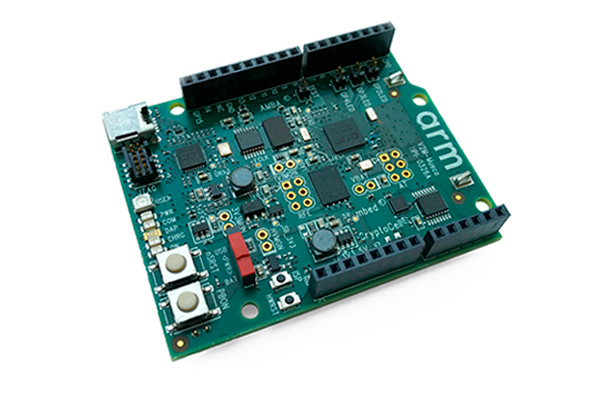
Reviewing embedded system scalability Are there significant advantages of x86 over arm in small form factor devices
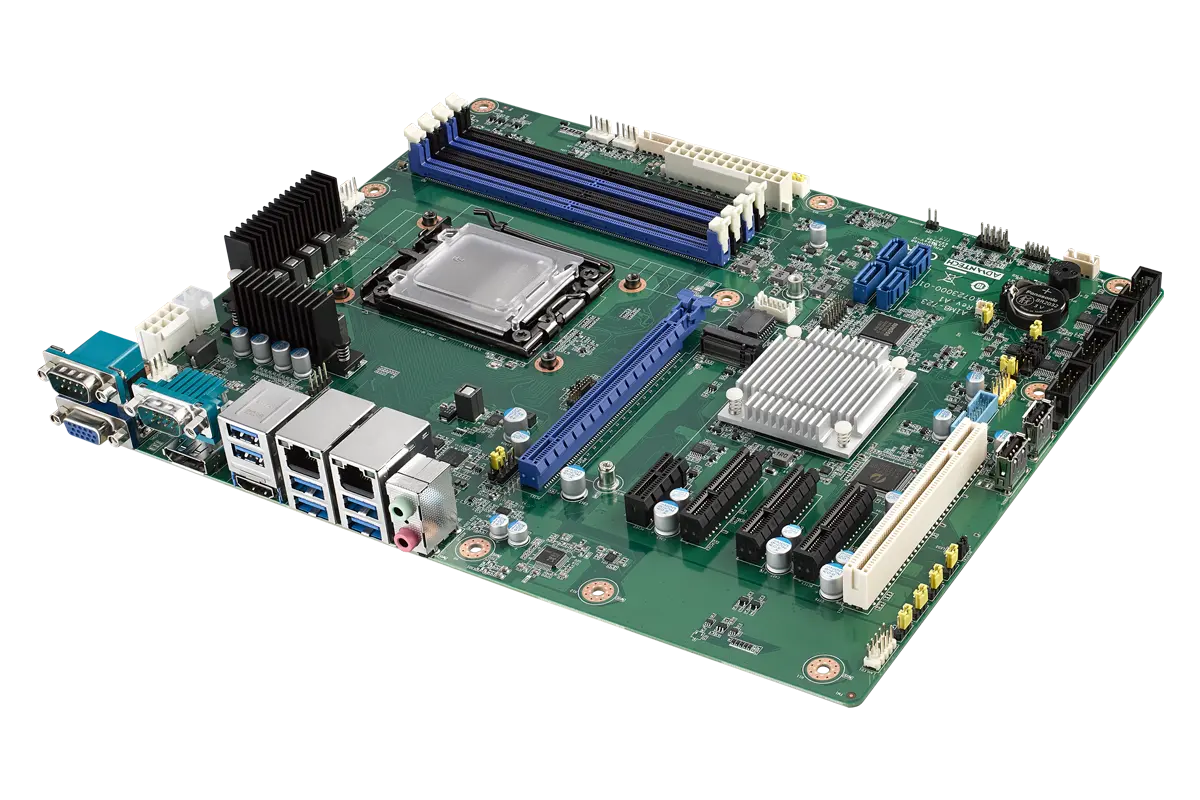
Over many years, the hardware realm has been influenced by two fundamental blueprints: the ARM and x86 models. Each platform boasts its own unique set of strengths, leading to a dynamic clash for sales leadership. While x86, the veteran of the industry, has long held the crown in end-user and backend fields, ARM's emergence is notably astonishing.
The operational effectiveness advantage of ARM, coupled with its flexibility, has made it a chosen choice for smartphones and embedded platforms. However, ARM is now venturing to conquer new domains, including portable devices and cloud centers. This plan has galvanized the entrenched x86 champions, who are reacting by developing new technologies to maintain dominance.
- Key differences in their architectures influence application performance, power consumption, and overall system design.
- The progressing expectations of clients are driving the demand for more powerful computing solutions.
Finally, the struggle of ARM and x86 unfolds as a lively and mutable environment, with both platforms continuously evolving to meet the demands of a rapidly changing world. The outcome of this race remains to be seen, but one thing is certain: the future of computing will be shaped by the innovations and advancements of these two titans.
Choosing ARM or x86 CPU for Maximum Output
Across the dynamically shifting digital sector, selecting the most effective processing framework can be a tough undertaking. Two titans dominate the market: ARM and x86. Both offer compelling strong points, but their performance elements diverge significantly. This in-depth analysis delves into the nitty-gritty of each architecture, empowering you to make an informed decision.
- Performance
- Energy Efficiency
- Price
Our investigation covers performance metrics, real-world situations, and the advantages of each architecture, helping you discover which platform best suits your requirements.
Causes of ARM's Popularity Over x86 in Embedded Solutions
ARM cores continue to excel in embedded equipment domains. This ascendancy roots in many essential aspects. First, ARM's blueprint demonstrates power economy, making it ideal for devices with limited power budgets. Second, the ARM ecosystem includes a significant and bustling group of developers and hardware partners, providing ample support and advancement. Finally, ARM's accessible framework permits adjustments for specific applications, leading to a wide range of services. These factors have joined in proving ARM superior for countless embedded devices, from smartphones to smartwatches and even industrial equipment.
Top x86 Single Board Computers for Professionals
Choosing the ideal x86 Single Board Computer can be a daunting task, especially when you're a skilled practitioner. You need a device that can manage heavy computations, offer robust performance, and provide a platform for sophisticated processes.
- Diverse criteria guide the prime SBC decision, including processing power, RAM capacity, storage options, connectivity features, and community support.
- For serious practitioners and veterans, a board with a effective processing core such as Intel i5 or AMD Ryzen 5 is essential.
- Accompanied by adequate DRAM and accelerated storage call for smooth and efficient operation.
Resist the temptation of minimalistic SBCs; invest in a platform that can effectively boost your initiatives.
Complete Review of x86 SBC Technology
Exploring cost-effective x86 single board computers offers thrilling potential. These efficient boards grant plentiful potential to creators. From building home automation systems to exploring programming languages, x86 SBCs provide a adaptable, economical environment for learning. This guide will offer expertise to interpret the multifaceted x86 SBC environment, discovering features of these versatile technologies.
- Examine past milestones and significance of x86 single board devices.
- Contrast widely used x86 SBC platforms by performance and application demographics.
- Understand crucial peripherals making up x86 SBC architecture.
- Examine programming interfaces and system software compatible with x86 SBC hardware.
- Expose advanced executions of x86 SBCs for various professional fields.
ARM's Growing Presence in the Desktop Market
Though traditionally known for its dominance in mobile devices, ARM architecture is steadily making inroads into the desktop market. Several factors contribute to this trajectory, including the increasing demand for energy-efficient computing and the growing popularity of cloud-based applications. Organizations like Apple implement ARM solutions for MacBook computers, demonstrating the potential for high power. This trend is further fueled by the development of new frameworks specifically tailored for desktop workloads. As these innovations mature and become more widely available, we can expect to see ARM's presence develop notably across subsequent stages within personal computer sectors.
The x86 vs ARM Showdown Which Architecture Reigns Supreme
When selecting a new computer you will encounter two dominant architectures: x86 and ARM. Both offer distinct profits, making the decision a matter of aligning your needs with the right platform.
Enduring x86 system enjoys recognition for strong capabilities with a broad software base It dominates in desktops, laptops, and workstations, particularly for demanding tasks like gaming or video manipulation. ARM, on the other hand, emphasizes energy efficiency and a compact design. This turns it ideal for mobile devices, embedded systems, and increasingly, cloud computing.
- Assess your dominant job requirement: Are you a professional? Do you need raw power or economical energy consumption?
- Examine software running ability on various models. Not all applications are available on both platforms.
- Factor in the cost and availability of devices based on your chosen architecture.
Little but Highly Effective Top ARM SBC Models
SBC arena flourished lately, with ARM architectures preferred for performance and conservation. These compact devices pack a surprising punch, offering incredible capabilities within a miniature footprint. For hobbyists, makers, and even professionals, ARM-based SBCs provide a economical platform for everything from learning about electronics to building fully functional creations. Whether you're looking for a budget-friendly option or a high-performance powerhouse, there's an ARM-based SBC out there to meet your needs.
- We delve into leading players within this thriving sector!
Measuring ARM in Contrast to x86 Effective Speed
Placing ARM against traditional x86 schematics in testing yields compelling data. While x86 has traditionally ruled processing ability, particularly for intensive processing needs, ARM technologies constantly approach equivalence, especially in areas like mobile performance and energy efficiency. The recent surge in popularity of ARM-based processors for laptops and desktop PCs further fuels this rivalry. It's important to note that benchmark results can be shaped through multiple conditions, including the specific edition scrutinized, process load, alongside runtime basis. Therefore, it's crucial to understand performance with full background besides digits.
Does ARM Displace x86 to Prevail as Main Architecture
The electronic sector perpetually adjusts, and one of the most absorbing progressions show ARM's broad adoption. While x86 has long led the market, ARM's effectiveness secures expanding favor. This has led to debate that ARM may well overtake x86 as the prevailing architecture.
- Countless influences stimulate this evolution: ARM's energy-efficient design is particularly attractive for mobile devices laptops and even servers.
- Furthermore ARM's open licensing model has fueled innovation within the ecosystem, constructing expansive collections of ARM-built chipsets.
Although ARM rises, x86 keeps a powerful presence. Principal companies commit sizeable funding for x86 innovation, and existing infrastructure continues functioning as before.
To sum up, it is ambiguous whether ARM will exclusively overshadow x86. The IT progress will result from synergy of both designs, with each serving its purpose within distinct application areas.
Vision of ARM and x86 Fusion in Processing Power
The computing field has undergone significant shifts. Once distinct architectures, ARM and x86 are now on a collision course, converging to reshape the future of processing power. This convergence delivers innovative prospects for developers and consumers alike. ARM's energy efficiency and compact design have made it the dominant force in mobile devices, while x86 has long reigned supreme in desktops and servers. However, the lines are blurring, driven by factors such as the increasing demand for mobile computing and the rise of cloud services.
- Such fusion may generate assorted computing solutions, powered by hybrid architectures that deploy features of ARM and x86 combined. This could result in higher-performing mobile gadgets with enhanced energy storage alongside economical servers.
- Besides inventors welcome diversified development utilities, enabling them to create innovative applications that forge fresh paths. The future of computing is bright, with ARM and x86 convergence playing a pivotal role in shaping the next generation of technology.