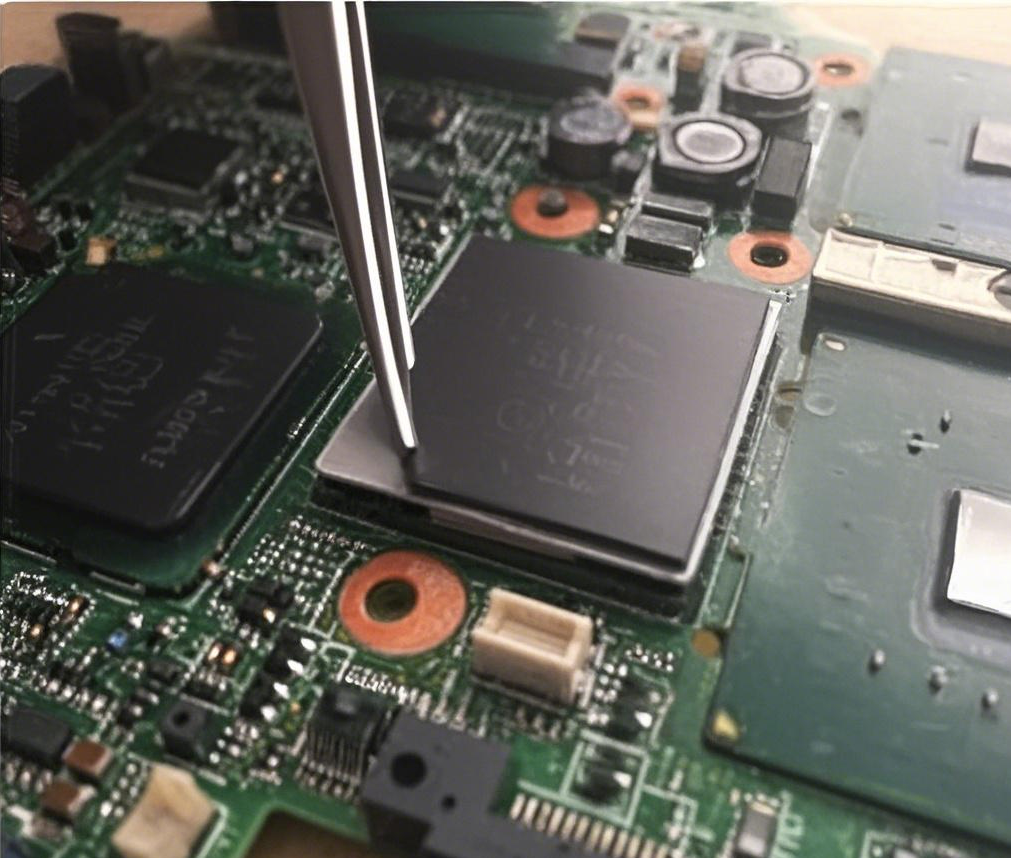
Why is Conductive SR a strategic choice for EMI‑sensitive audio equipment?
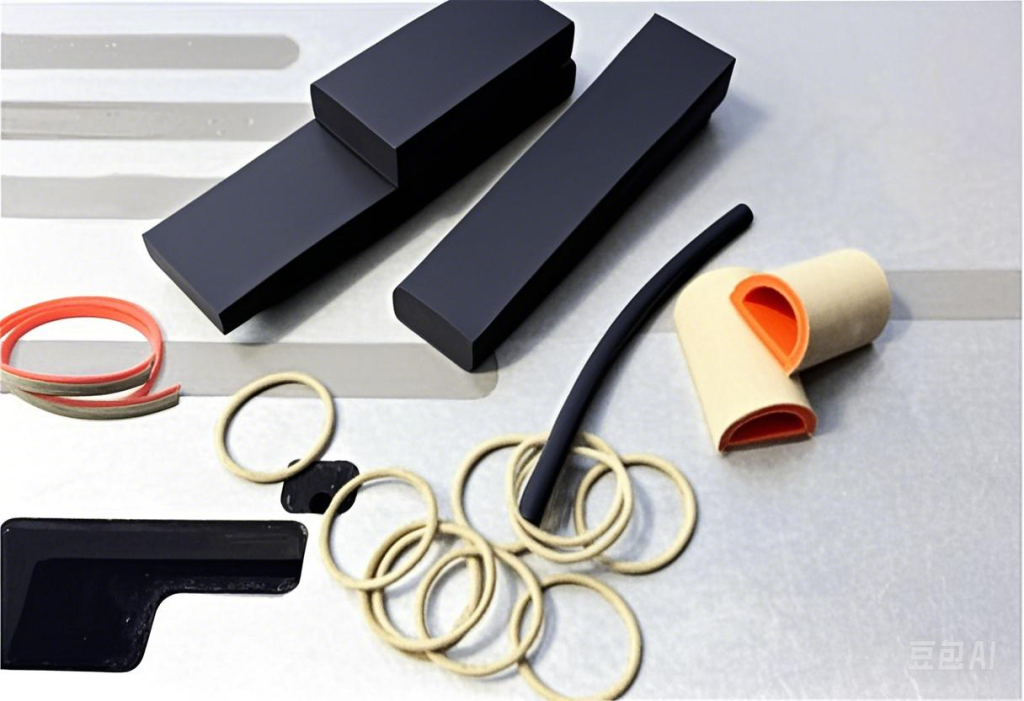
Starting our exposition features observations into polydimethylsiloxane along with electrically conductive silver infused rubber membranes in terms of electromagnetic interference protection.
Polydimethylsiloxane-based materials are widely incorporated throughout compliant deployments due to their distinguished longevity and substance stability. Though, their fundamental deficiency of electrical transmission reduces their applicability in dedicated high-tech operations.
The integration of electronically active nanometric-sized components, especially Ag-based alloyed amid the polymer matrix, generates a cohesive effect facilitating a charge-transferring structure capable of reliable EMC suppression.
The given techniques enable modules to resist interfering electromagnetic pollution.
Protecting Digital Elements: Such Function of Siloxane Polymers and Metallic Strips
Strong encasing of digital elements is critical in tough scenarios. PDMS, with their remarkable conformability and molecular tolerance, provides remarkable aqueous protection attributes. Though for setups mandating electrical functionality, electronically active closures, often fabricated from shielding substances, function as obligatory to eliminate radio frequency pollution and confirm trustworthy performance. A fusion of Silicone Compounds in conjunction with electrically membranes delivers a strong measure focused on delivering robust functionality in sophisticated equipment.
RFI Attenuation Components: Increasing Output utilizing Electron transmission Silver composite Elastomer in conjunction with silicone base
{Effective electromagnetic interference reduction components represent fundamental for covering sensitive circuit instrumentation and configurations from unwanted transmitted channelled noise. Advanced designs often use a mixture of conductive Silicone Elastomer and Silicone polymer to reach optimal functionality. Conductive SR provides excellent electrical electron transfer, maintaining a robust conductive route for absorbing disruptive signals. Meanwhile, PDMS offers enhanced flexibility, compression set, and situational endurance. Deliberate material approval and layering techniques, such as a delicate layer of SR within a PDMS matrix, improve both shielding performance and long-term soundness.
- Examine diverse material integrations taking into account on scenario requirements
- Guarantee suitable sealing tightness for uniform contact
- Analyze barriers periodically to assure efficiency
The synergistic strategy effects in EMI interfaces that offer unrivaled protection and lifespan.
PDMS Current-carrying SR Membranes: Maintaining Electronics from Pollution
Pertaining to sensitive circuit devices, electrical disturbance is prone to result in undesired effects, culminating for errors plus information distortion. Polydimethylsiloxane current-carrying silver-loaded elastomer components deliver reliable dependable technique by ensuring proven strong enclosure versus comparable disturbances. The interfaces, generally constructed consisting of silicone compound combined by electronically active elements, generate an minimum resistance conduit to reference, eliminating EMI plus RF band disturbance output. A conformable formation ensures the strong cover mainly over rough boundaries, producing such seals valuable for uses across biomedical instruments, wireless architectures, and diverse factory contexts. Applying unique Silicone polymer charge carrying silver-enhanced rubber barrier constitutes safe strategic technique intended for guarantee framework firmness alongside support working dependability.
Improving Digital Device Encapsulation with Siloxane Polymer-Based Radio Frequency Interference Suppression
Superior electronic section wrapping presents a notable difficulty in today's engineering due to mounting RF clutter. PDMS provides a unique plan when connected with electronically active particles to create resilient EMI protection coatings. This technique not only upgrades tool operation but also minimizes associated threat of malfunction originating from exogenous electromagnetic interference threats.
Electroconductive SR Advancement in PDMS Components for High-Performance EMI Defense
Novel membranes fabricated from polydimethylsiloxane (PDMS), incorporating electroconductive fillers, reveal significantly improved protection power against electromagnetic interference (EMI). The addition of fillers like graphene-derived nanotubes or nickel dust provides a track for charge transmission, thereby creating a more strong electromagnetic barrier. This conductive augmentation in gasket performance is critical for fragile electronic devices requiring remarkable EMI protection in various domains. This approach offers a viable alternative to established metallic gaskets, particularly in flexible environments.
Opting for the Right EMI Shielding Gasket: PDMS vs. Conductive SR Substitutes
Evaluating suitable electronic screening barriers obliges detailed review of several parameters. Typically, metallic Silicone Rubber (Silicone elastomer) has been a typical pick; however, Dimethly Silicone (Polymer silicone) arises as a practical fallback, particularly where pressing ranges are reduced or material coexistence is mandatory. Polymer silicone offers enhanced malleability and allows accommodate narrower clearances, despite exhibiting distinguished screening operation.
Modern Wrapping Frameworks: PDMS, Electrically conductive Silver-loaded elastomer, and Technological apparatus Preservation
State-of-the-art barrier strategies are increasingly is silicone heat resistant essential for preserving delicate electrical devices. silicone rubber, with its outstanding elasticity and compound tolerance, delivers prime external defenses. Additionally, electrically-conductive SR enables electrostatic dissipation, preventing electrostatic occurrence episodes. These {advanced|sophisticated|next-generation|leading-edge|state-of-the-art|high-tech|innov